-
·
All Change for North Korean Phone Numbers
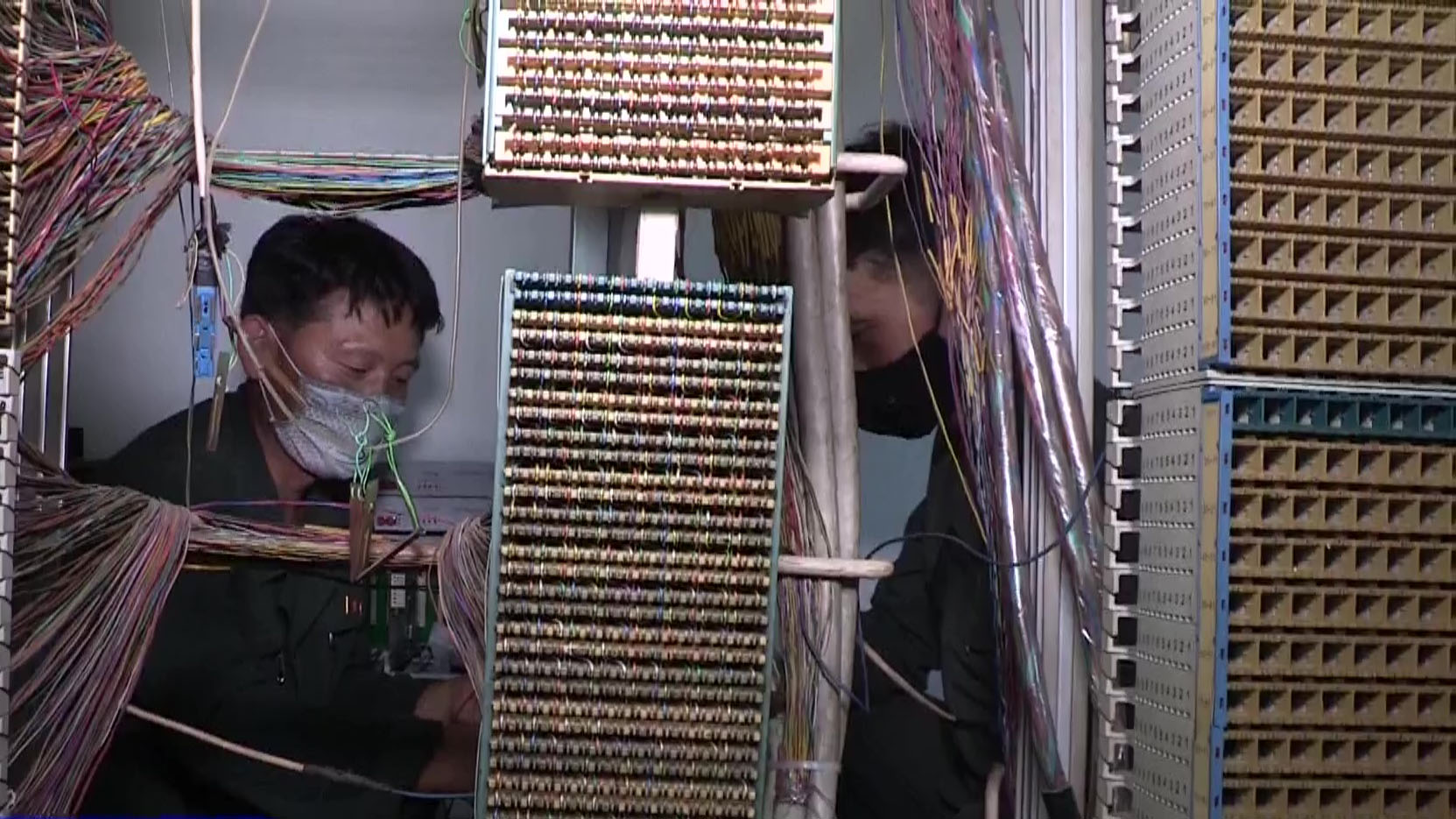
North Korea changed its national telephone numbering system last year, but the change wasn’t mentioned in any North Korean media accessible outside the country. The reason for the change is unclear, but such changes typically take place because of network modernization and to facilitate future expansion. Usually such a major change would receive wide media…
-
·
Why do punishments differ when North Koreans are caught with foreign content?
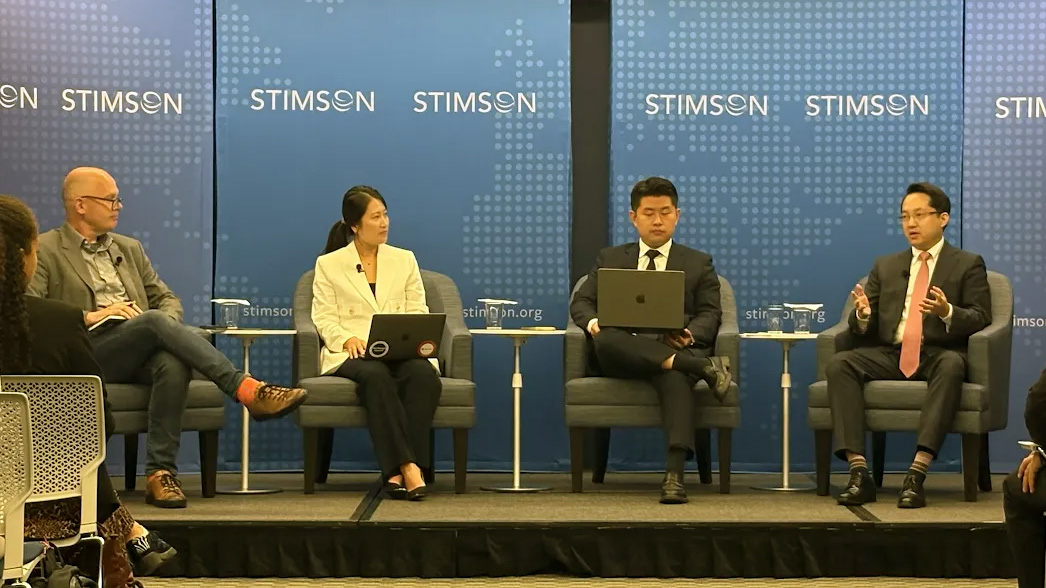
Getting reliable information out of North Korea is difficult so analysts often must rely on a drip feed of reports and anecdotes to understand what’s happening in the country beyond state media reporting. This often leads to contradictory information. The answer is usually nuanced and is not well understood outside the country. During a recent…
-
·
North Korea Taps India for Smartphones
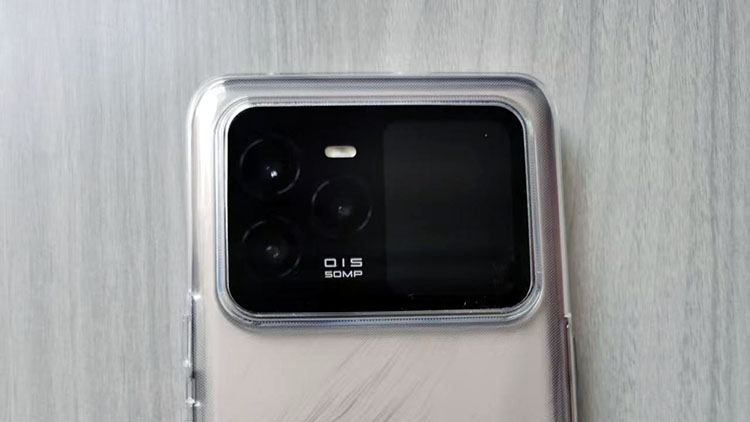
North Korean smartphone brand Phurunhanal Electronics appears to have sourced one of its latest phones from the Indian company Lava International. This represents the first time a phone on sale inside North Korea has been linked to a non-Chinese manufacturer. The smartphone market inside the country has expanded quickly in the last three years with many new brands coming…
-
·
Mixed messages on electronic evidence
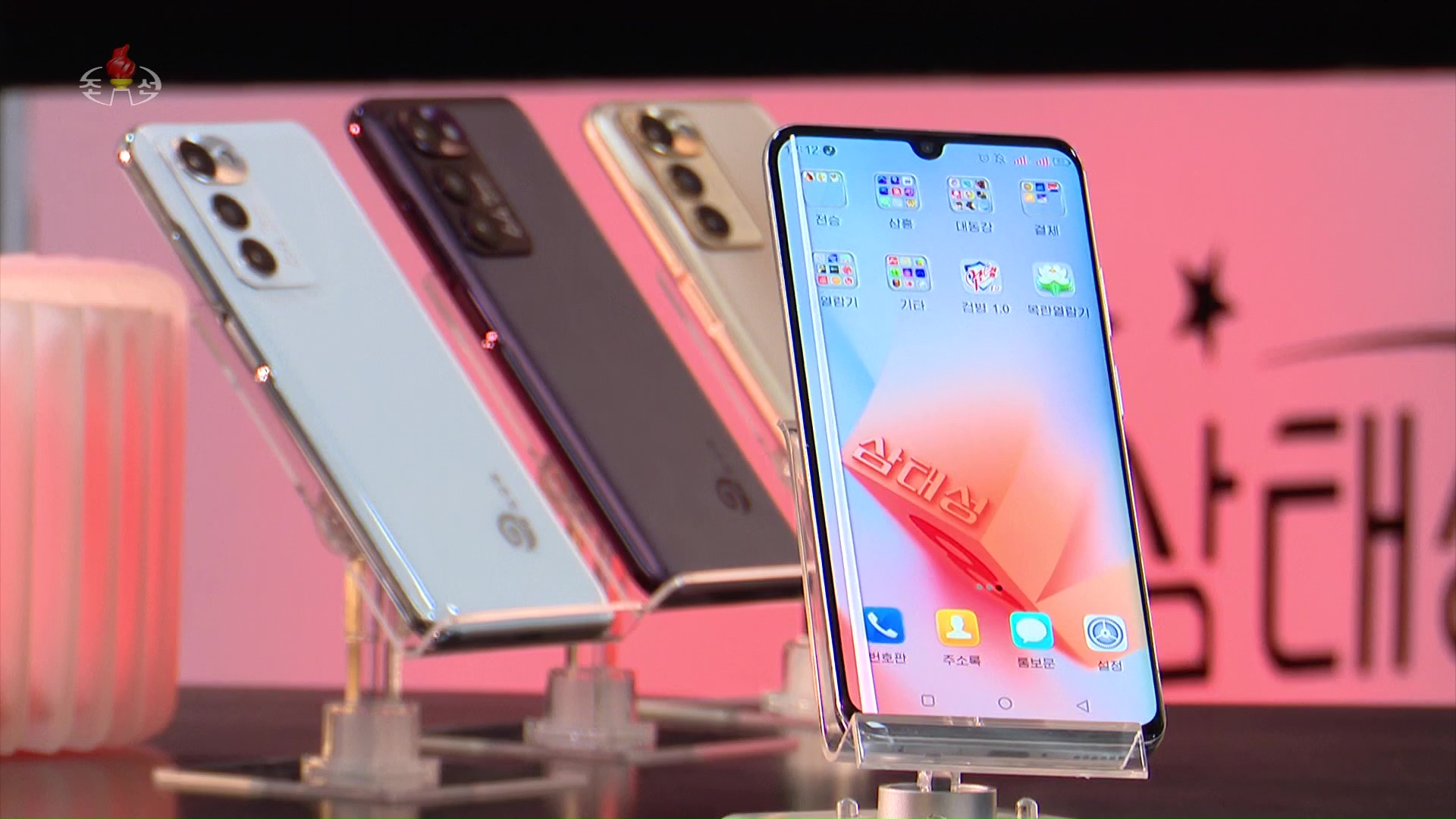
As digitization spreads in North Korea, so does the need for different sectors of the economy to accommodate it or catch up. That includes the legal field where discussion of electronic evidence has begun. In the most recent edition of 38 North’s NK Briefing, I wrote about how the Journal of Kim Il Sung University (Jurisprudence) had introduced…
-
·
The logistics of funding North Korean e-wallets
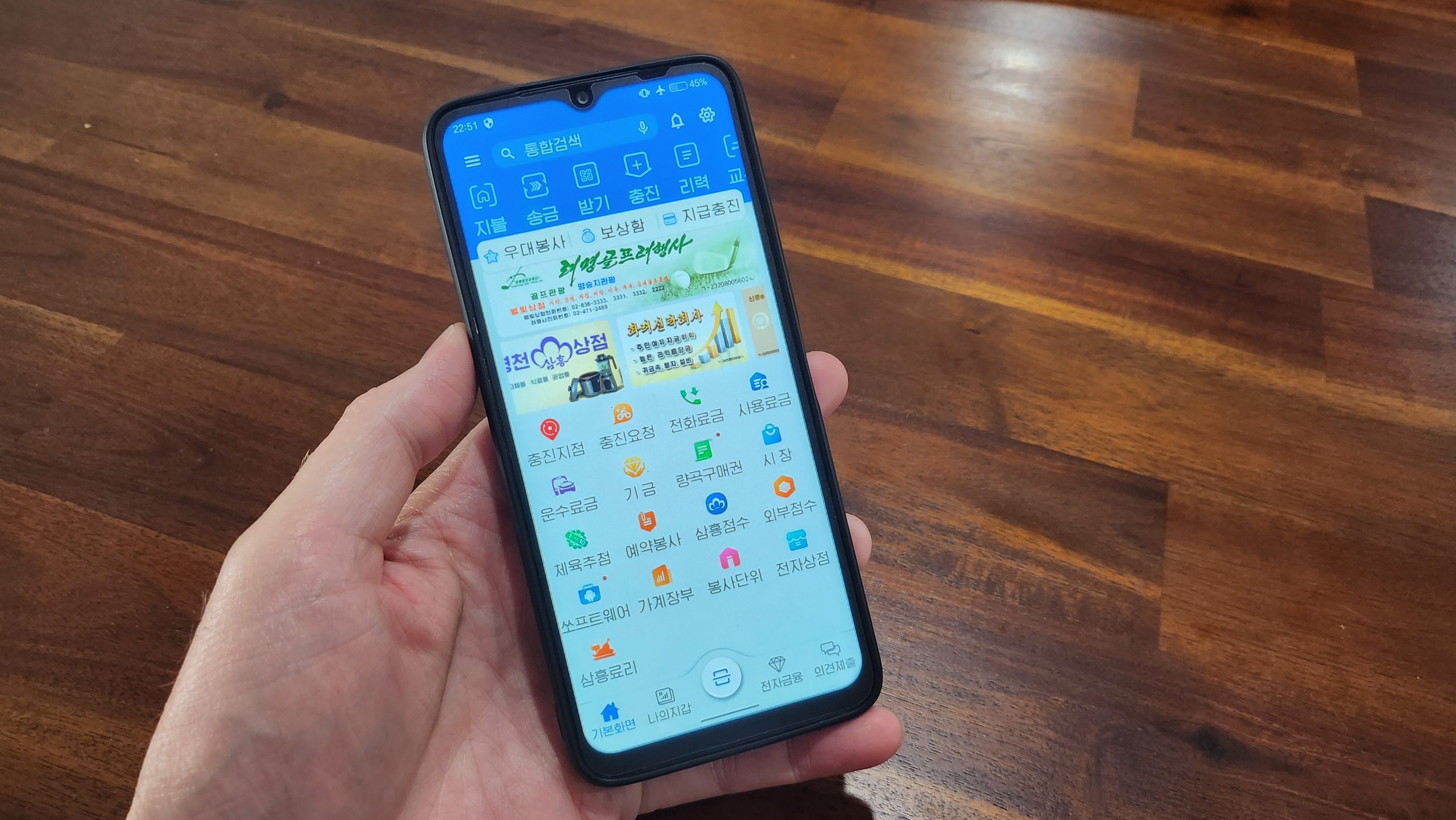
Smartphone-based e-payment systems appear to be growing quickly in Pyongyang. There are several competing platforms and recent accounts from visitors to the capital suggest the QR code-based platforms are widely used and accepted, from department stores down to street vendors. Information about the spread of e-payment platforms outside of the capital is much more limited, but data obtained by NK TechLab indicates a…
-
·
North Korea’s Fold and Flip Phones for the Wealthy
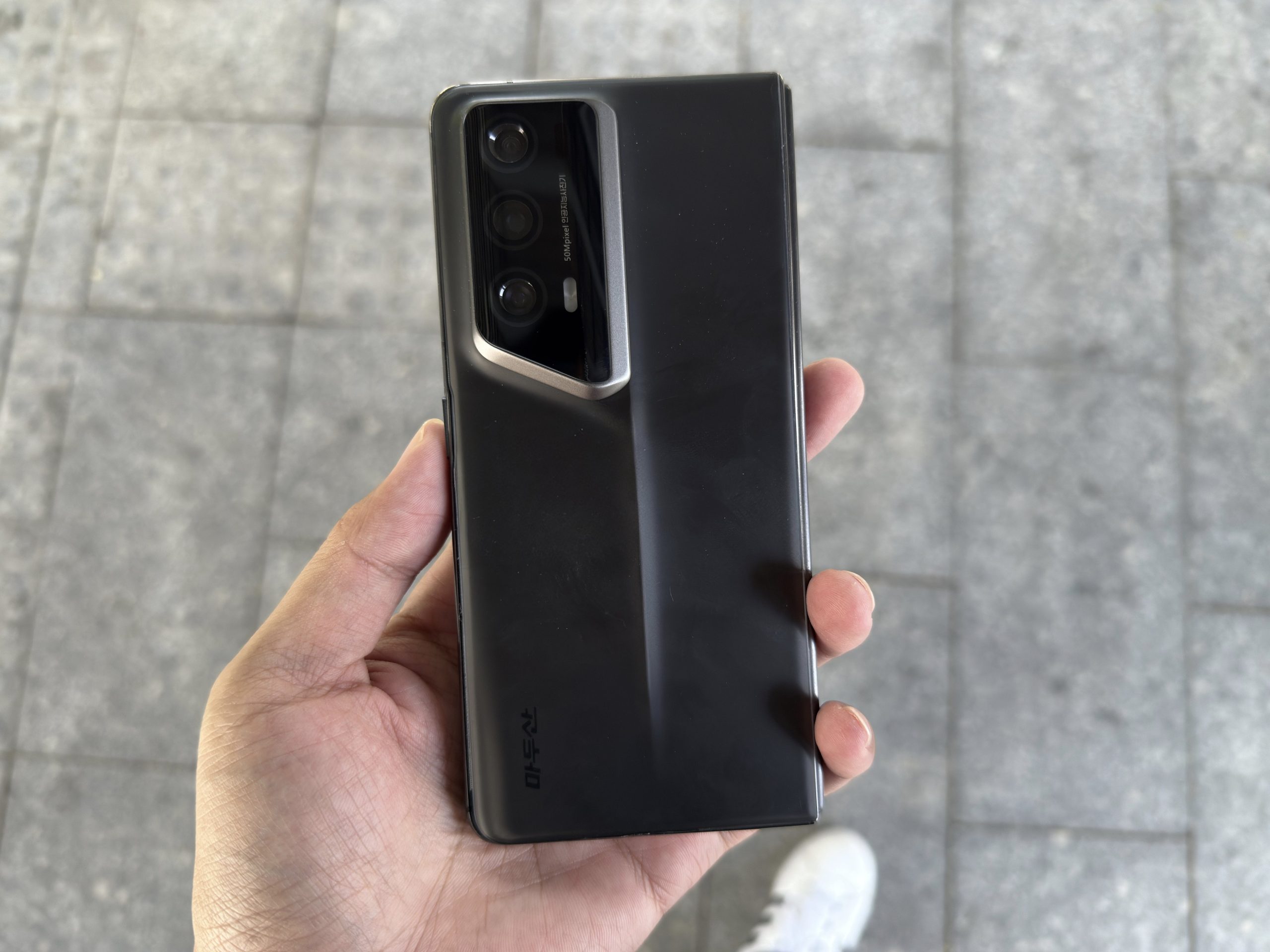
Wealthy North Koreans looking for the fanciest phone that money can buy have a choice of several fold- and flip-type models in Pyongyang. Research by NK TechLab shows at least one fold-type phone and five flip-type models are currently available in North Korea. The availability of high-end smartphones is a further sign of the wealth…
-

·
How North Korean TV Comes Together for News About Kim Jong Un
In North Korea, there is nothing more important than news about Kim Jong Un or the Kim family. Something about him or the family leads the evening news every single day. If it’s not a report on him going somewhere or attending a meeting, it’s a report on how people somewhere are remembering a previous…
-
·
Smartphones Displayed at the Pyongyang Spring Trade Fair
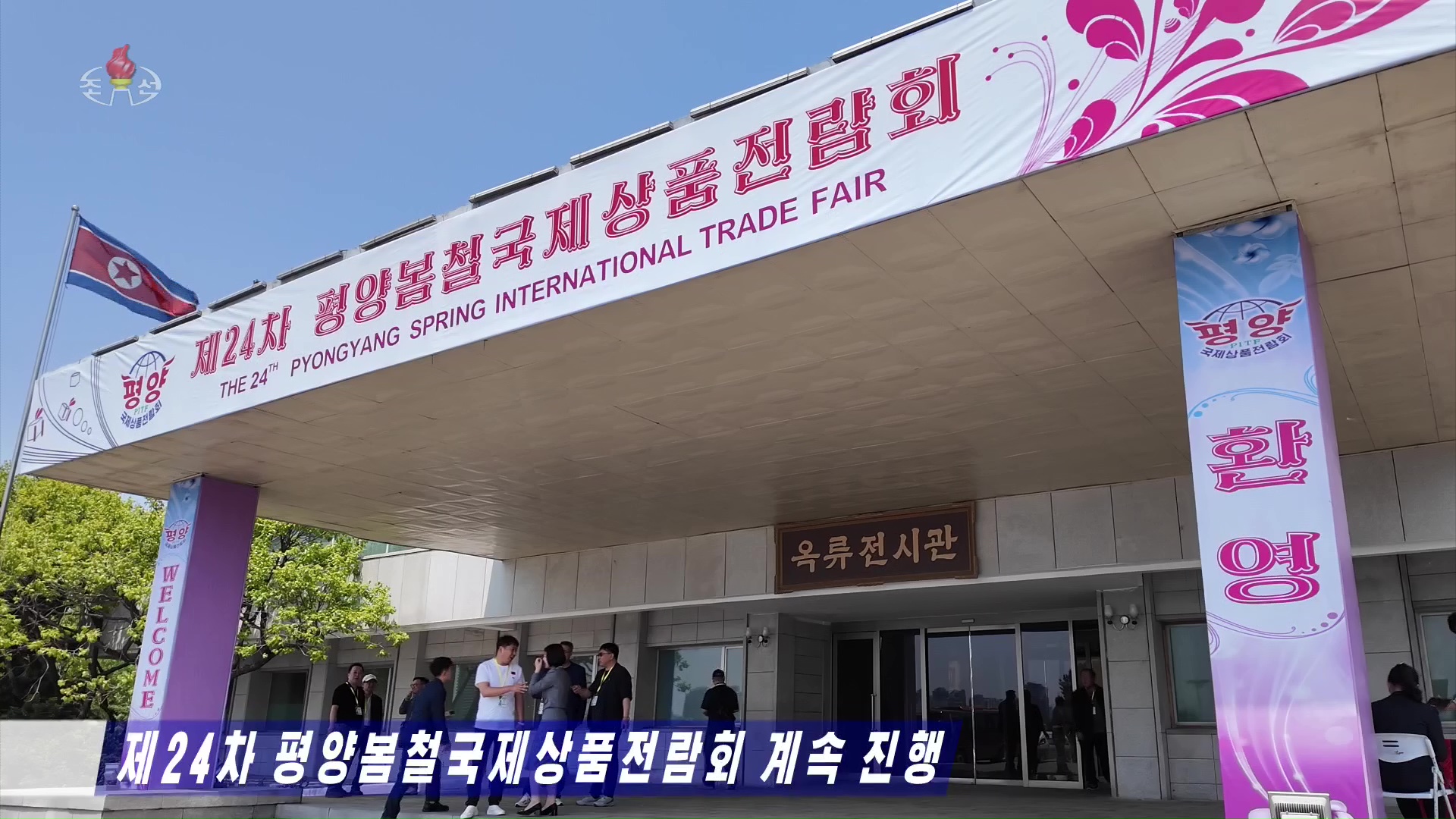
The 24th Pyongyang Spring Trade Fair opened on May 4 in the capital and at least four of the companies selling smartphones in North Korea are exhibiting, according to images carried by state media. Most of the phones on show appear to have been shown previously although I did find a few I hadn’t seen…
-
·
Visualizing the Inminban
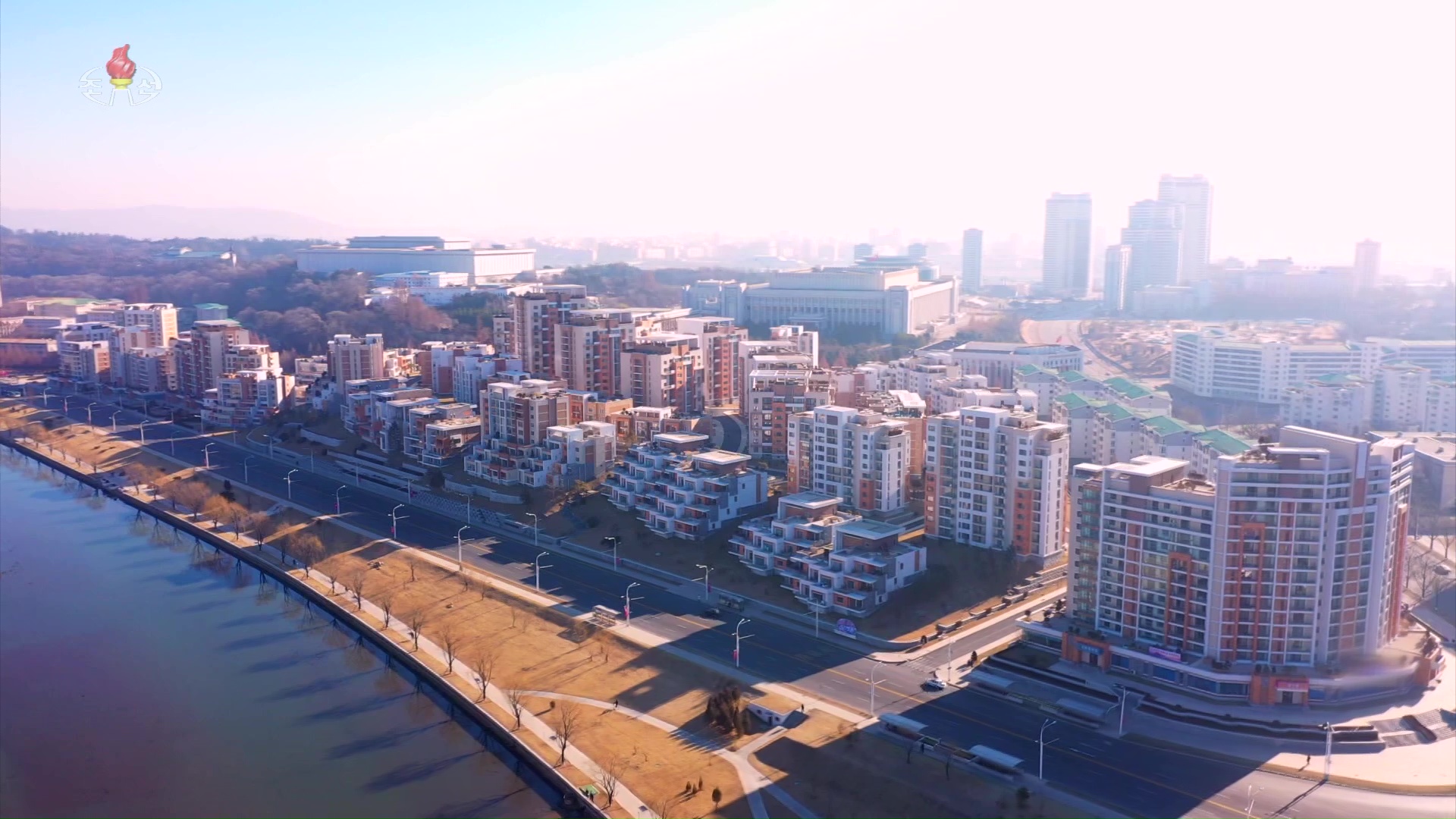
In the lives of North Koreans, there are few organizations as inescapable as the “inminban” (인민반), or neighborhood unit. It is the lowest unit of state authority and is used to maintain control and surveil the entire population. Each inminban covers between 10 and 40 houses, according to estimates, and all residents are required to…
-
·
WiFi regulations appear to have been loosened
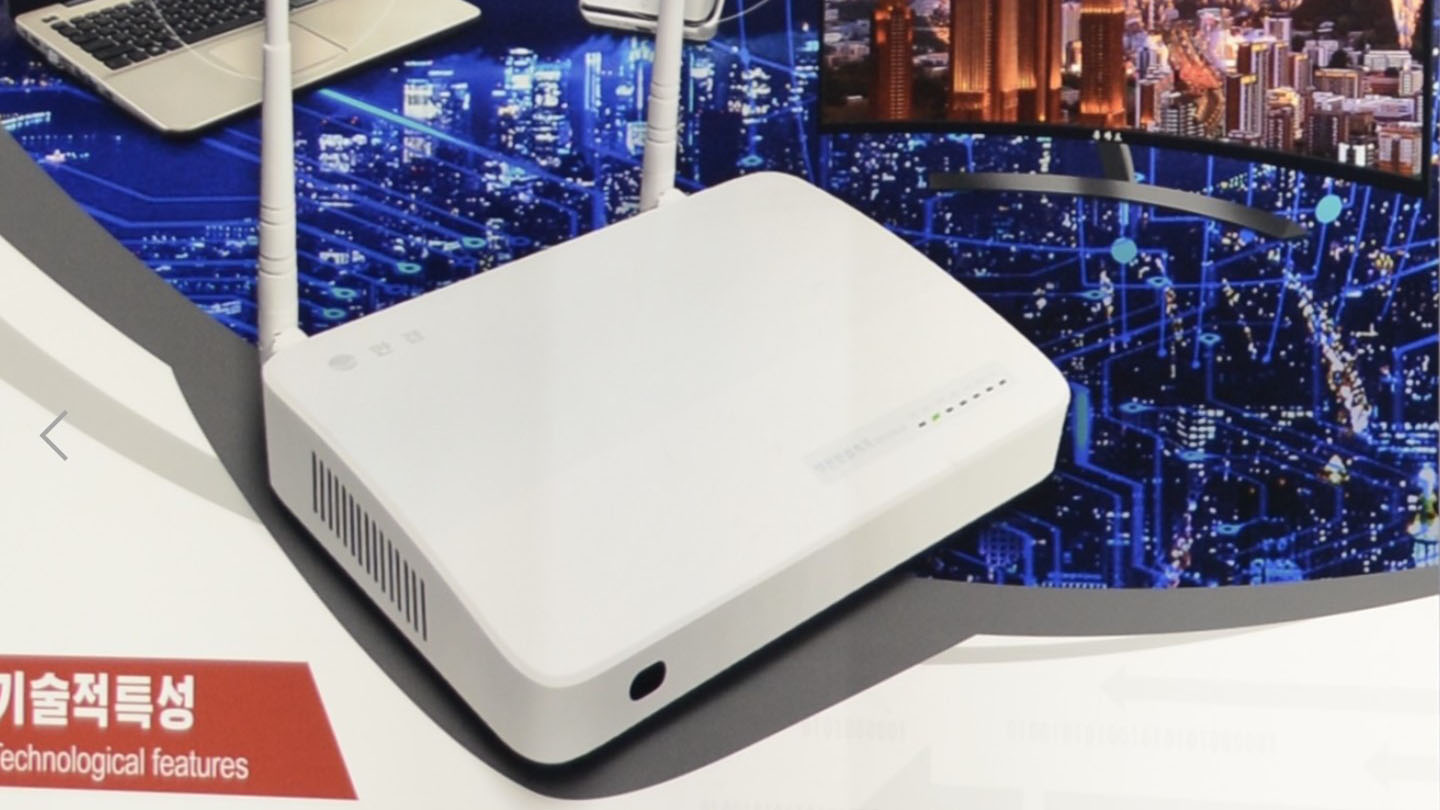
North Korea appears to have adjusted its restrictive WiFi regulations that blocked smartphones from connecting to anything but approved networks. For many years, North Korean smartphones have shipped with the ability to connect to Wi-Fi networks, but the Wi-Fi settings menu locked out. This means it’s impossible for users to scan for networks or join…