-
·
The Big Expansion of North Korea’s Cellular Sector
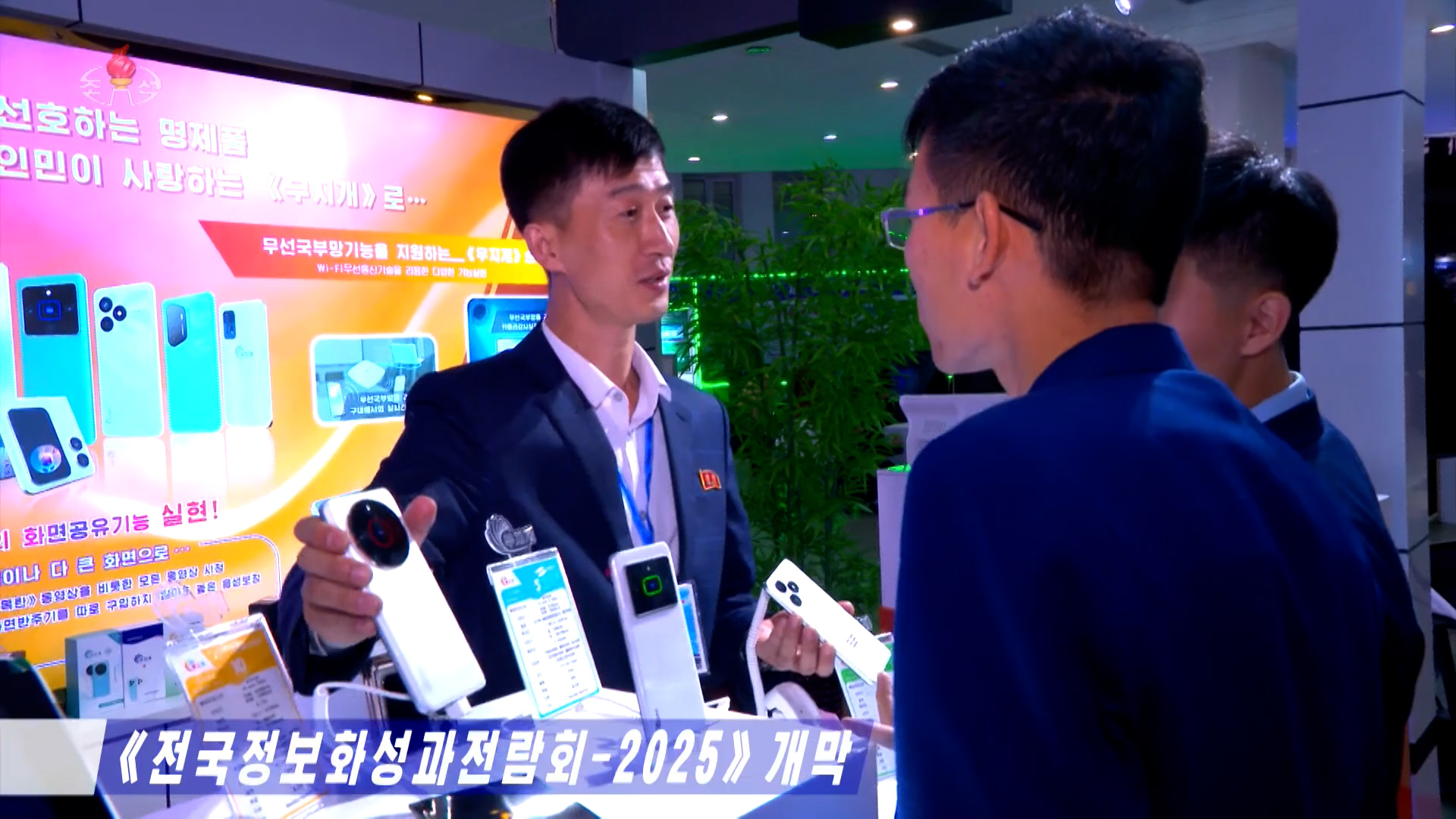
North Korea’s smartphone and cellphone market has expanded significantly in the last few years and at least 24 domestic brands now compete for market share. That’s an impressive number considering the population of around 26 million and a consumer goods sector that is not particularly commercial. The proliferation of brands, which began around 2023, points…
-
·
A Look at North Korean Cellular Charges
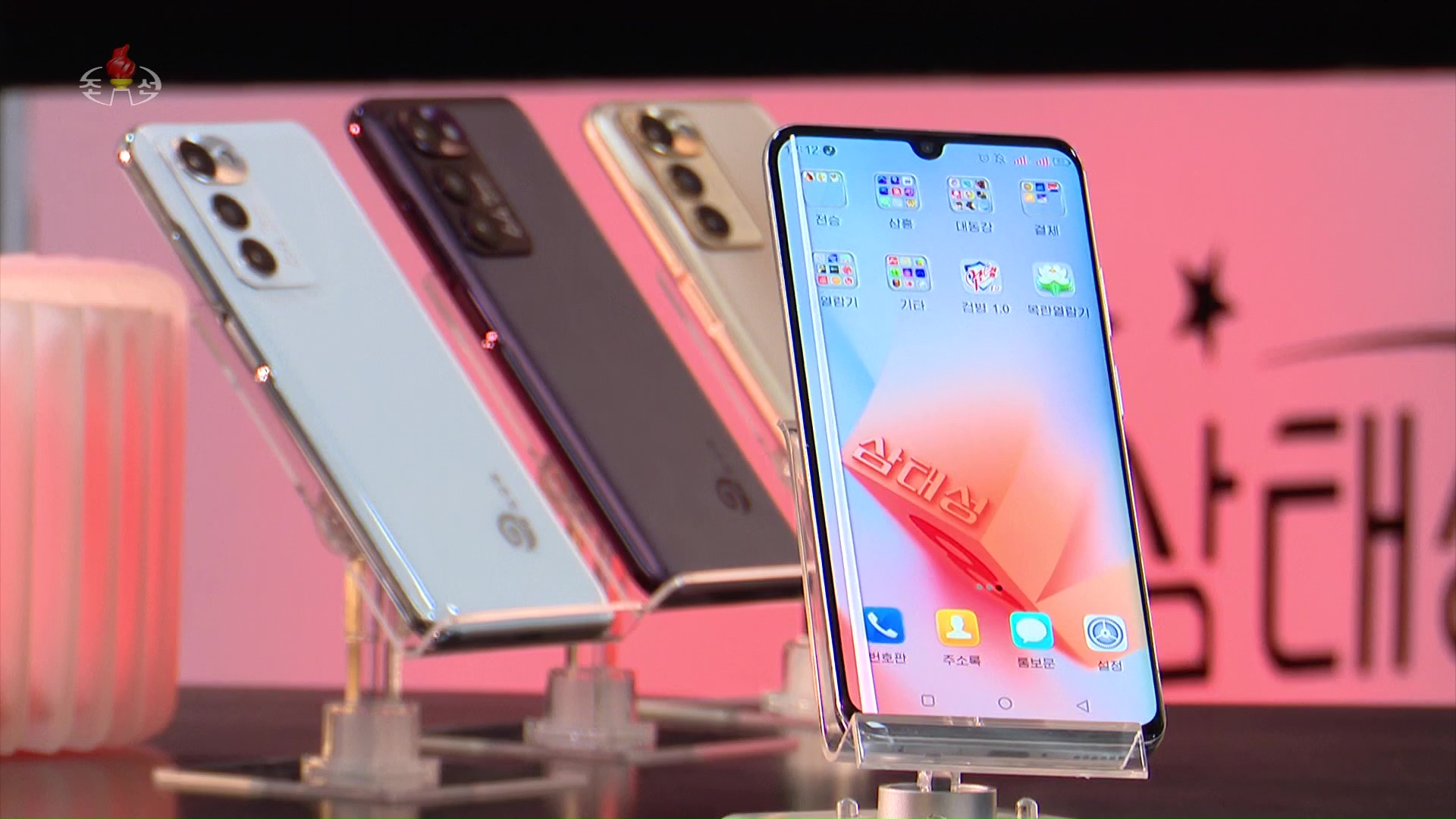
How much does it cost to buy a smartphone and data package in North Korea? Concrete numbers for the former are difficult to come by, but I’ve managed to find a couple of sources that suggest phone prices are not too far removed from those found in Western economies. Data packages too are not too…
-
·
A Look at the Sujongchon 5010 Smartwatch
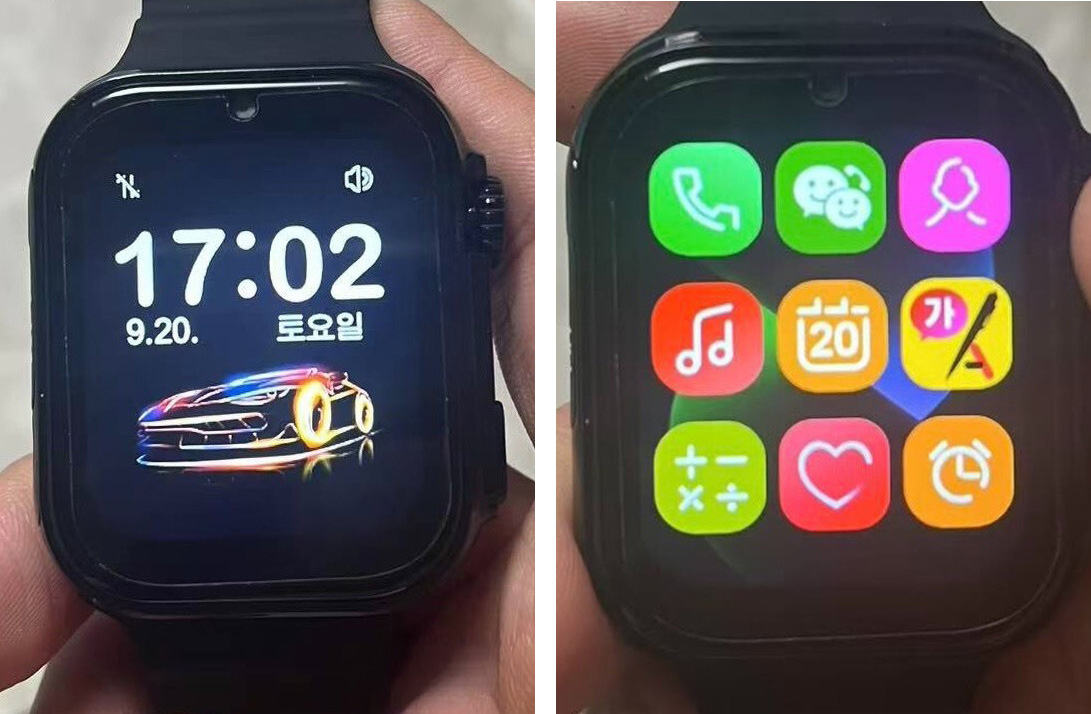
With competition in the smartphone space, North Korean enterprises have started branching off into related areas such as smartwatches. One of the first to do so was Sujongchon Technology Exchange Company (수정천기술교류사), which launched the Sujongchon 5010. The smartwatch debuted around December 2024 and was on display at the Pyongyang Spring International Trade Fair in…
-
·
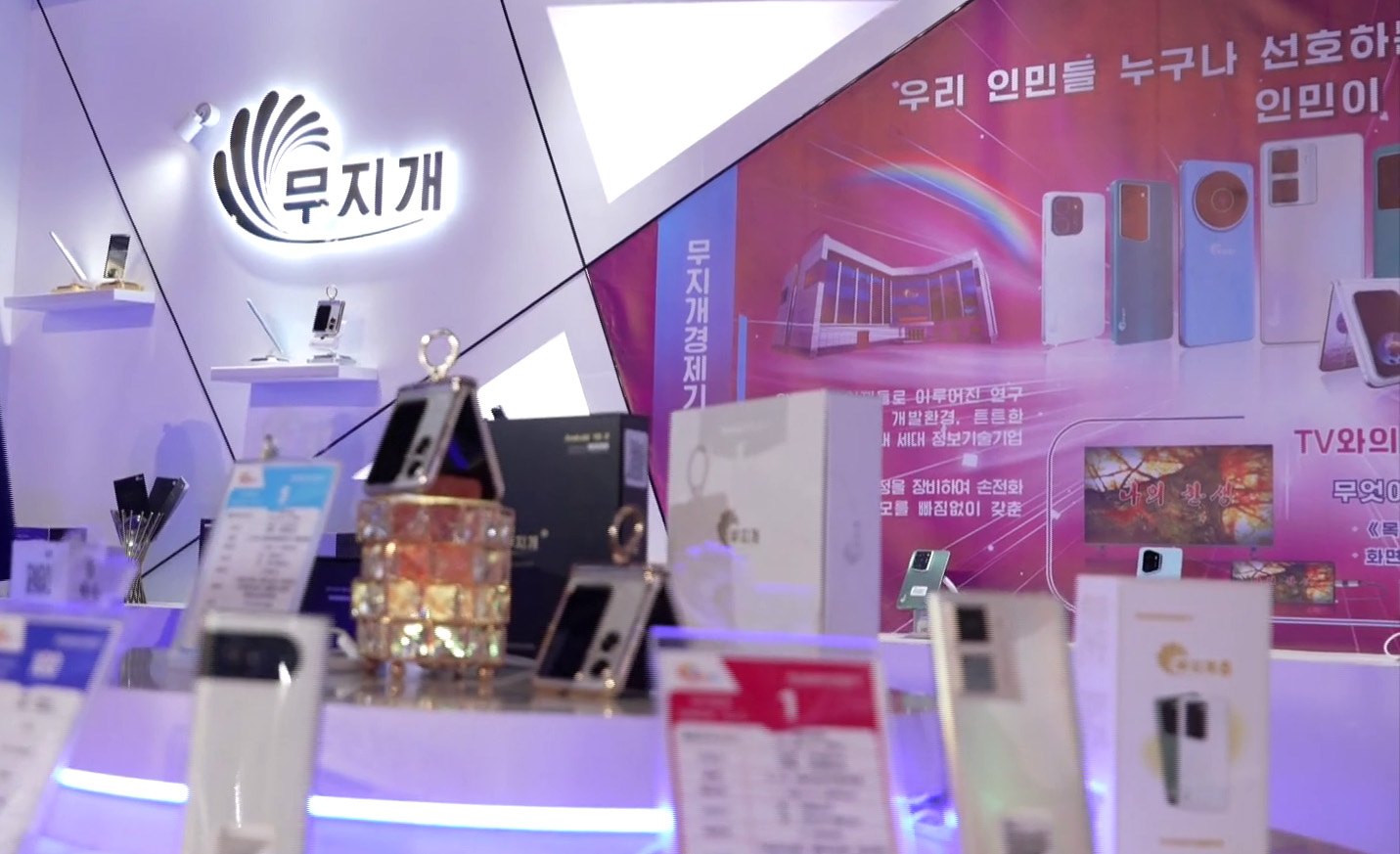
North Korean Cellular Coverage in 2026
North Korea’s cellular network has continued to grow, with 4G now available in major cities and coverage expanding into regions that previously had no mobile service.
-
·
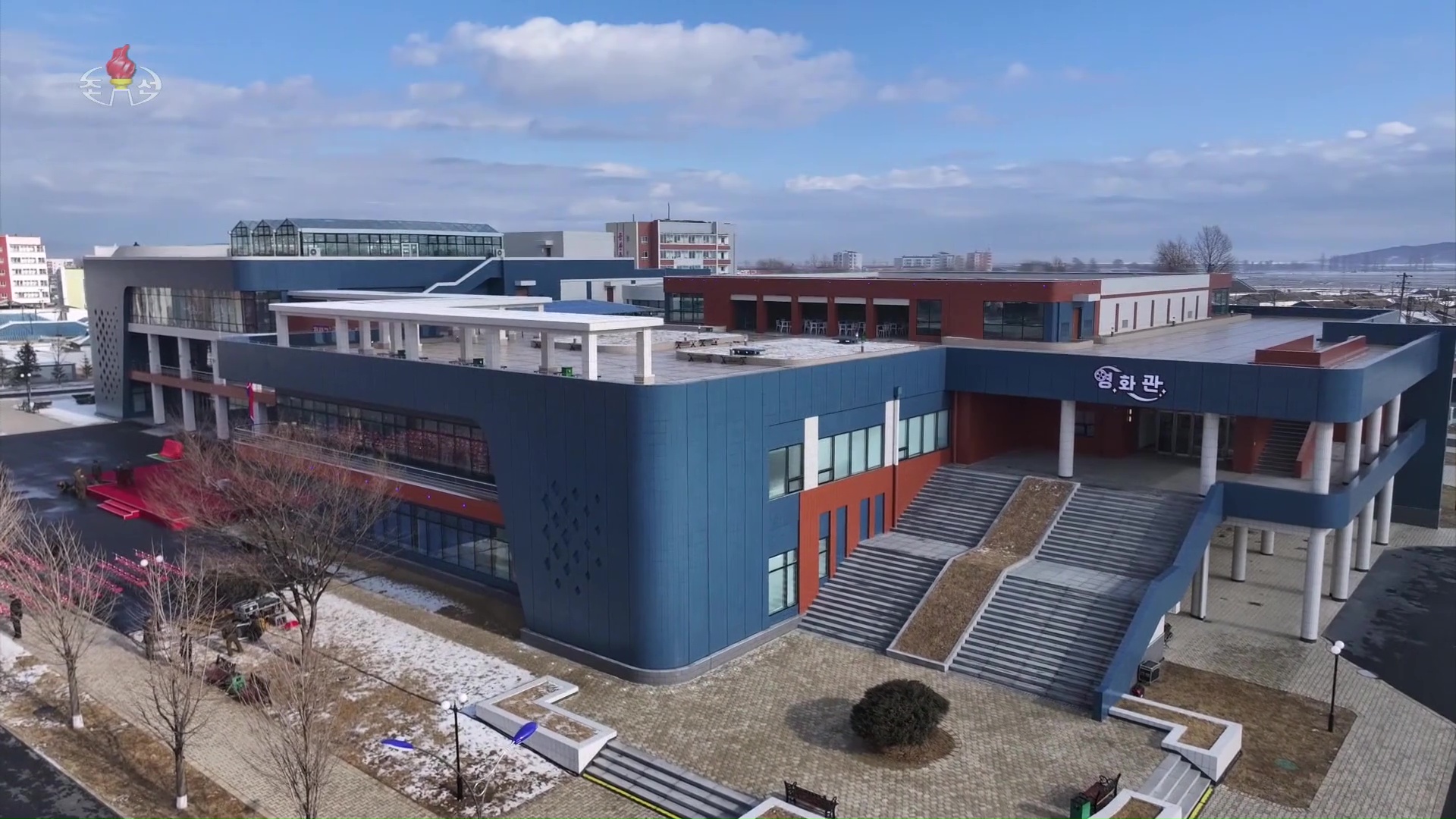
Libraries with no books
North Korea’s new county libraries, built under the 20×10 initiative, are going digital-first — replacing book shelves with electronic reading terminals and e-book systems.
-
·
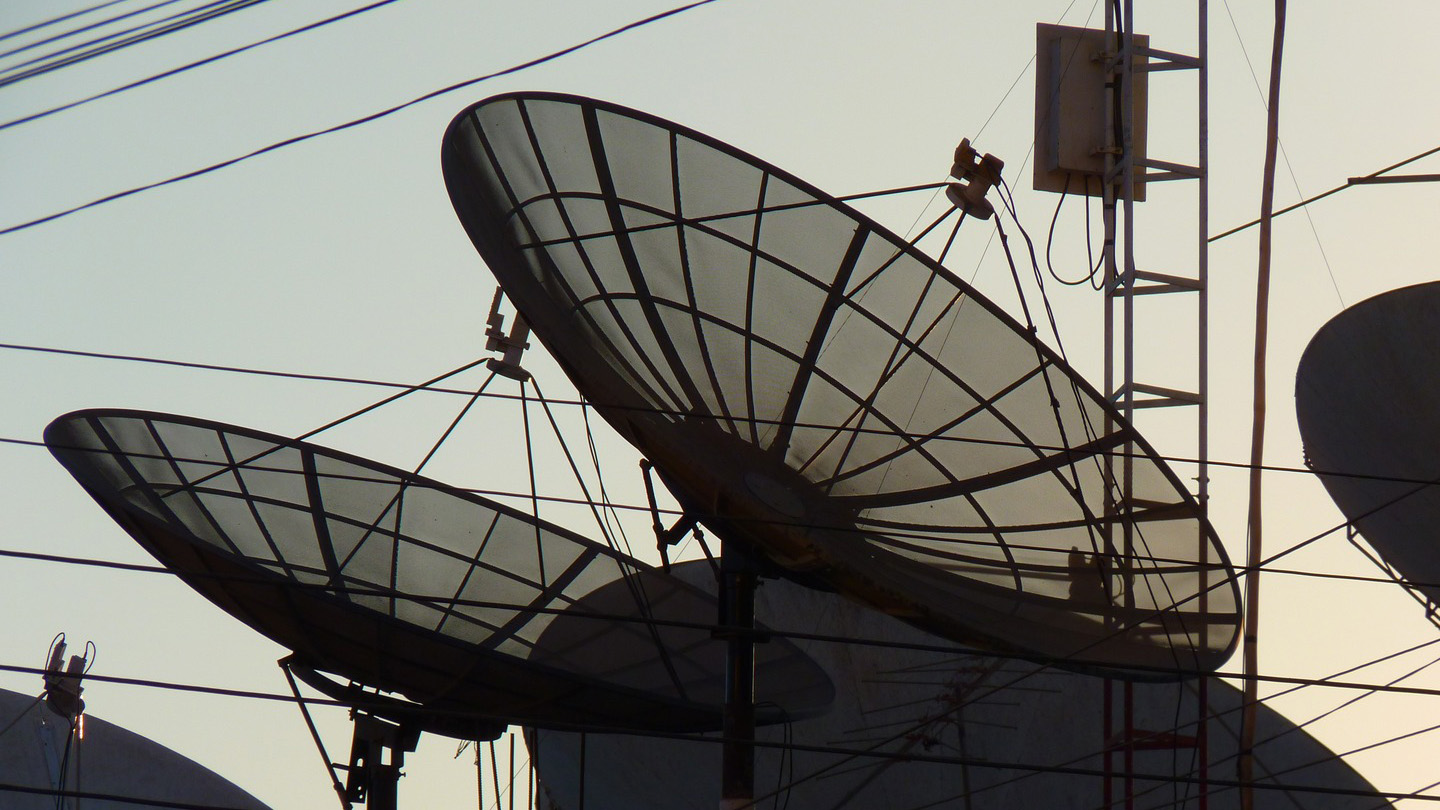
North Korea Expands Satellite Distribution of Domestic TV Channels
North Korea is now distributing all four state TV channels via satellite for the first time, using Russia’s Express-103 system to expand broadcast coverage nationwide.
-
·
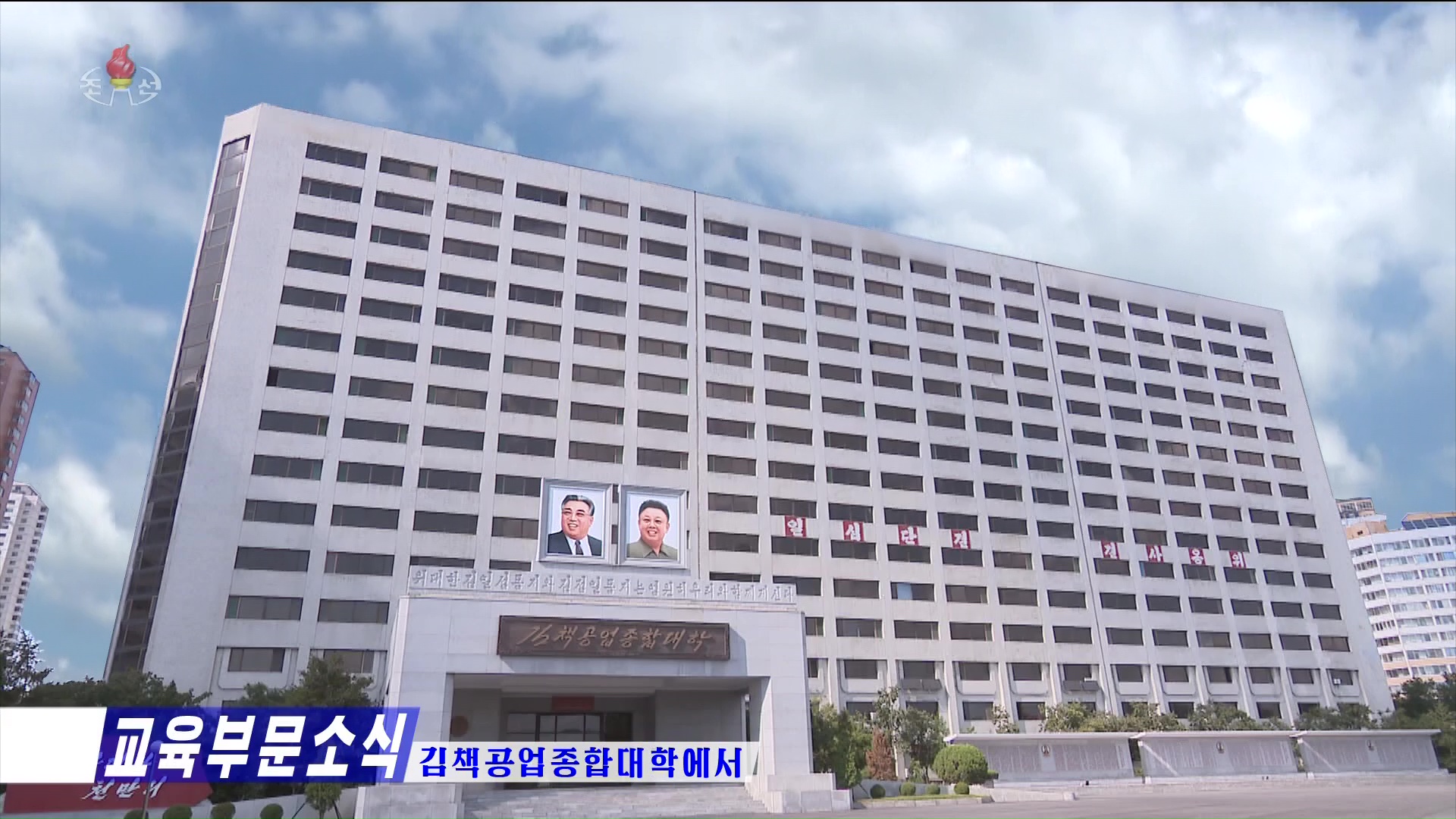
Three things to read from December 2025
This month covers digital media players being used as learning tools in North Korean schools, new e-learning distribution, and North Korean IT workers adapting overseas.
-
·
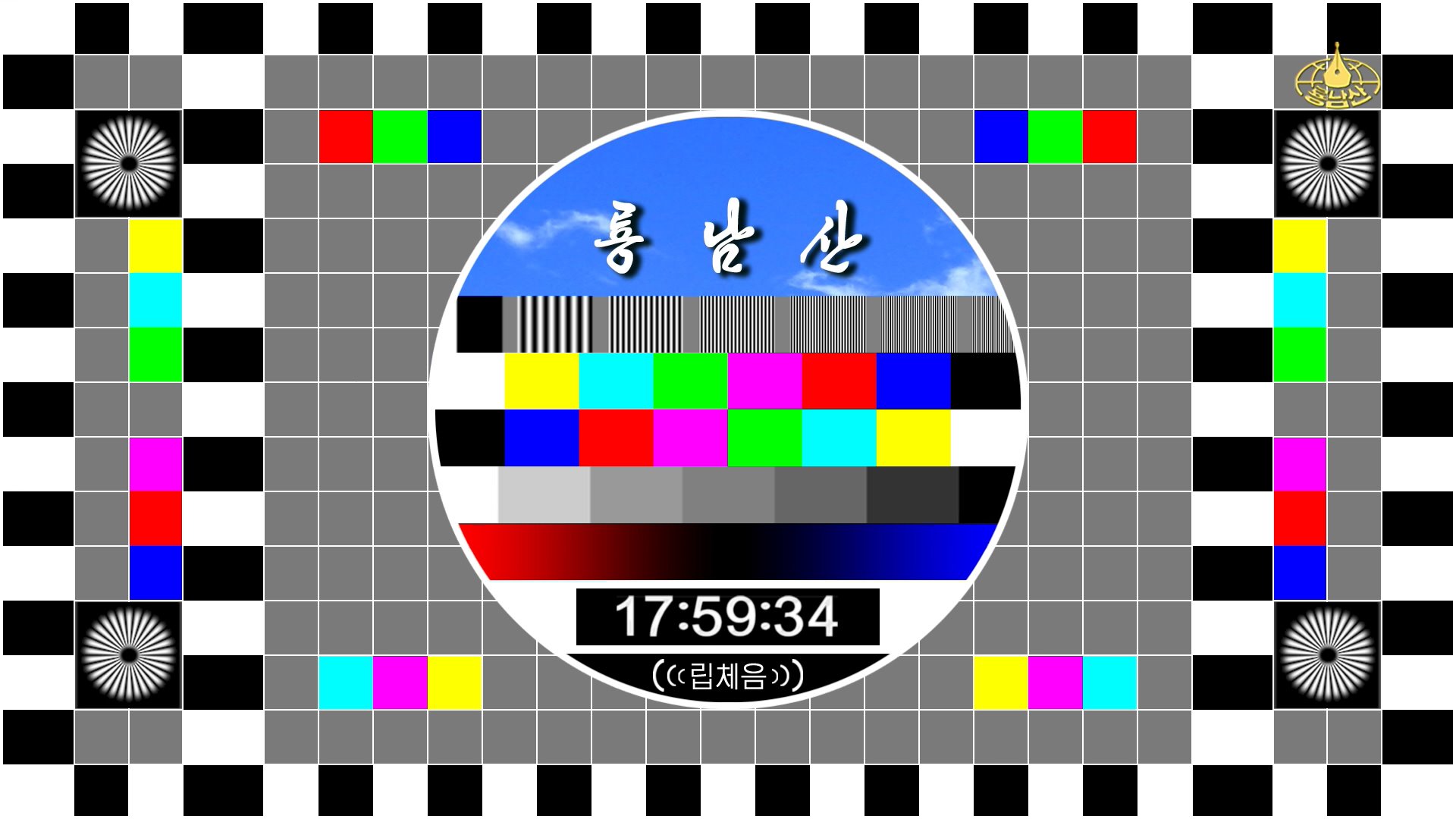
North Korea’s other TV: What you don’t see on KCTV
North Korea’s other TV: What you don’t see on KCTV — the country runs three additional channels covering sport, culture, and education.
-

·
Three Things To Read from November 2025
This month covers the fallout from foreign radio shutdowns, how North Korea’s internet connections work, and the possible arrival of spam text messages in the DPRK.
-
·
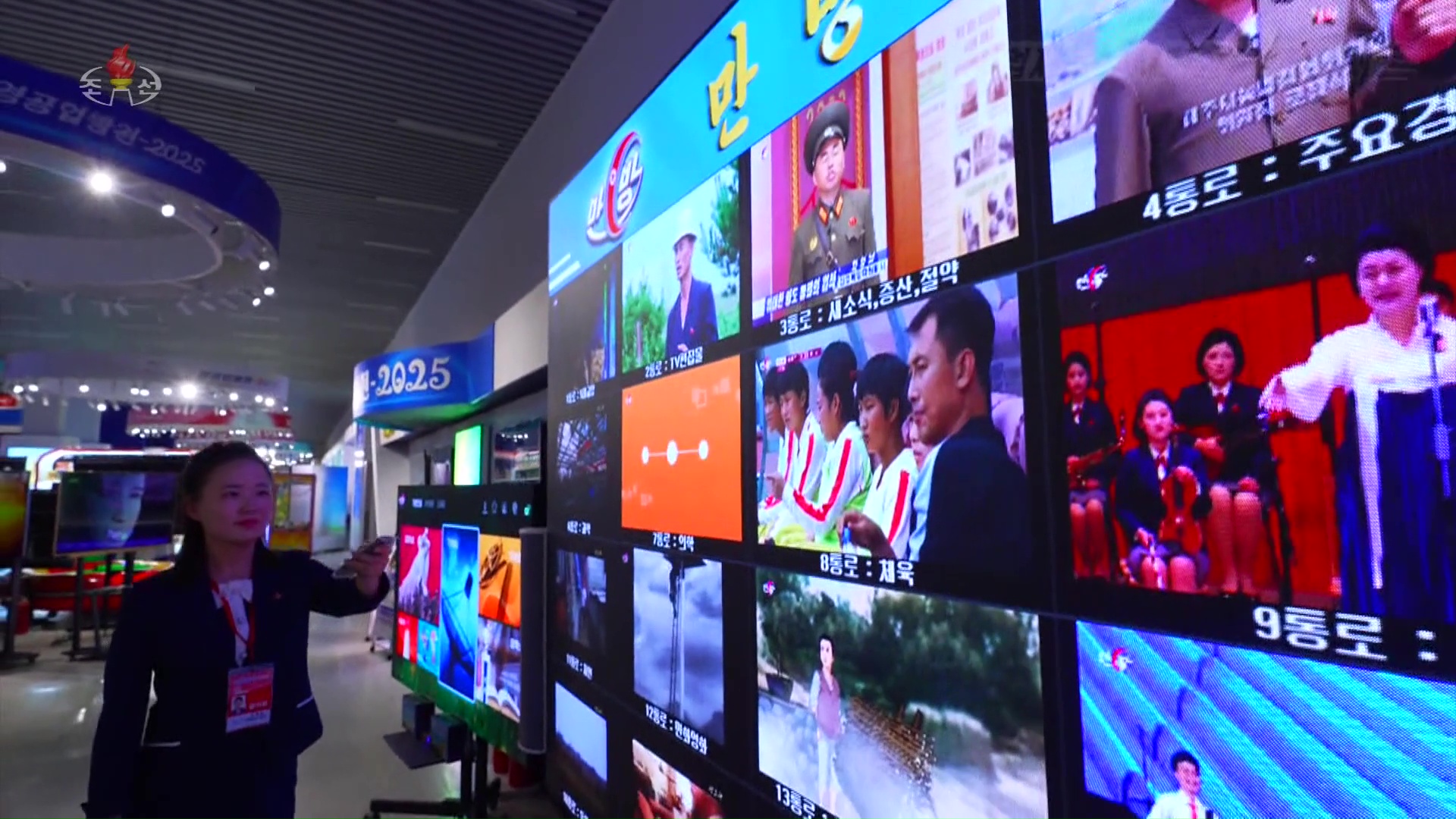
North Korea’s first multi-channel IPTV service apparently launched
Manbang has launched North Korea’s first multi-channel IPTV service, offering 20 channels of live television across the country’s internal data network.