

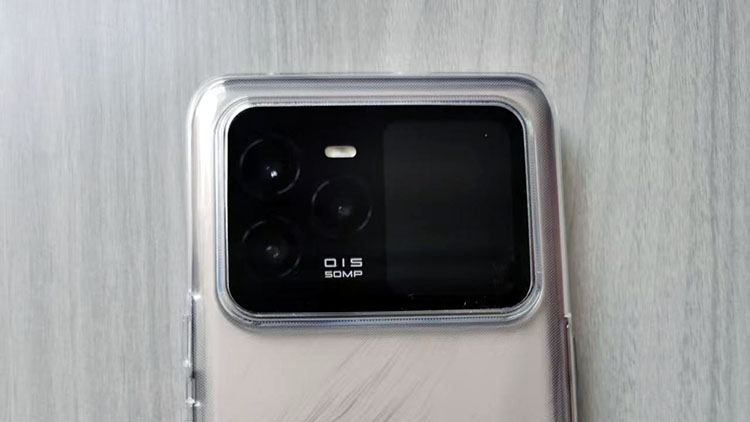
North Korean smartphone brand Phurunhanal Electronics appears to have sourced one of its latest phones from the Indian company Lava International. This represents the first time a phone on sale inside North Korea has been linked to a non-Chinese manufacturer.
The smartphone market inside the country has expanded quickly in the last three years with many new brands coming to the market. Sometimes, competing brands appear to be selling the same or very similar models. Phurunhanal likely went to Lava for a unique model, or because it offered a better price than Chinese manufacturers.
As the North Korean smartphone market becomes more competitive, more companies are likely to expand their global sourcing networks.
Phurunhanal 9-3
The Phurunhanal 9-3 went on sale in North Korea in the summer of 2025 and physically looks identical to the Lava Agni 3.
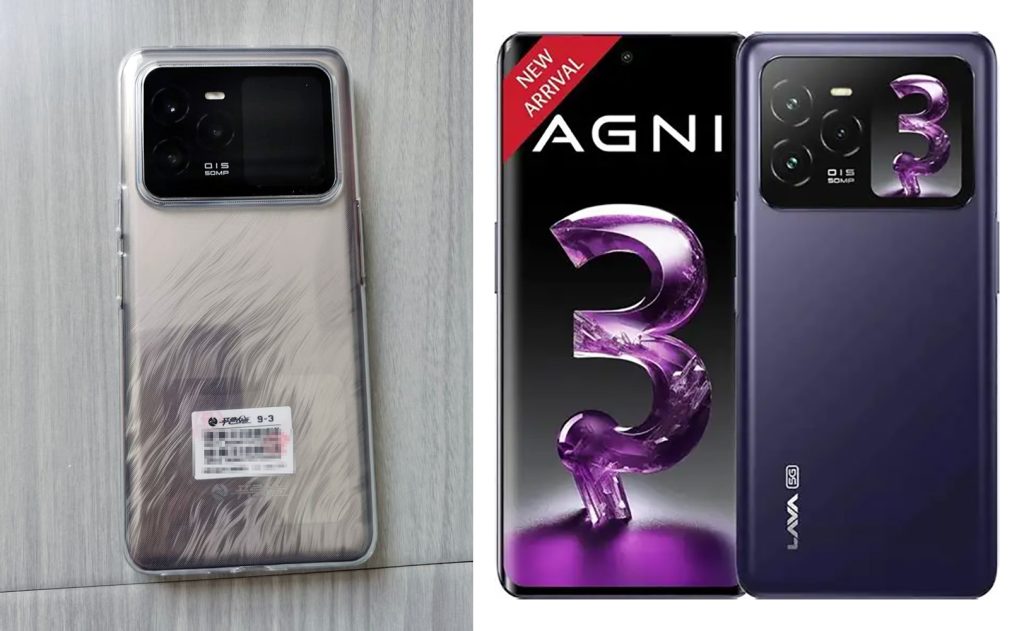
Phurunhanal lists its specifictions as a Mediatek MT6878 processor, a 6.78-inch display, a 4,900mAh battery, 512GB of storage and dimensions of 164 x 75 x 9mm. Those specifications match the Agni 3 with the exception of the battery, which Lava lists as 5,000mAh and the memory, which Lava says can support up to 256GB.
It is possible for companies placing large orders to slightly modify the specifications to their needs. It is much more difficult for the physical appearance and dimensions of a phone to be changed.
Phurunhanal Electronics
Phurunhanal is one of the oldest mobile phone brands in North Korea, having been established in October 2014 by Pyongyang-based Phurunhanal Trading Co. (푸른하늘무역회사). Despite owning a factory containing what appears to be some of North Korea’s most advanced electronics production lines, it does not manufacture phones.
Like the other 20+ brands selling phones in the country, Phurunhanal sources phones from overseas. Foreign phone makers supply handsets with North Korean branding, and a localized version of the Android operating system is installed once the product arrives in North Korea. The software contains state surveillance and censorship apps that prevent users from consuming anything but state-approved content.