

'%3E%3Cpath%20stroke='%23000'%20stroke-width='4'%20d='m-35-37-13%2020m5%203%2013-20m5%203-13%2020m63%2042%206-9m1-2%206-9m5%203-6%209m-1%202-6%209m5%203%206-9m1-2%206-9m-96%200%2013%2020m5-3-6-9m-1-2-6-9m5-3%2013%2020m63-42-6-9m-1-2-6-9m5-3%2013%2020m5-3-6-9m-1-2-6-9'/%3E%3Ccircle%20r='24'%20fill='%23cd2e3a'/%3E%3Cpath%20fill='%230047a0'%20d='M0%200a12%2012%200%201%201%2020%2013%2024%2024%200%201%201-40-26A12%2012%200%201%200%200%200'/%3E%3C/g%3E%3C/svg%3E)

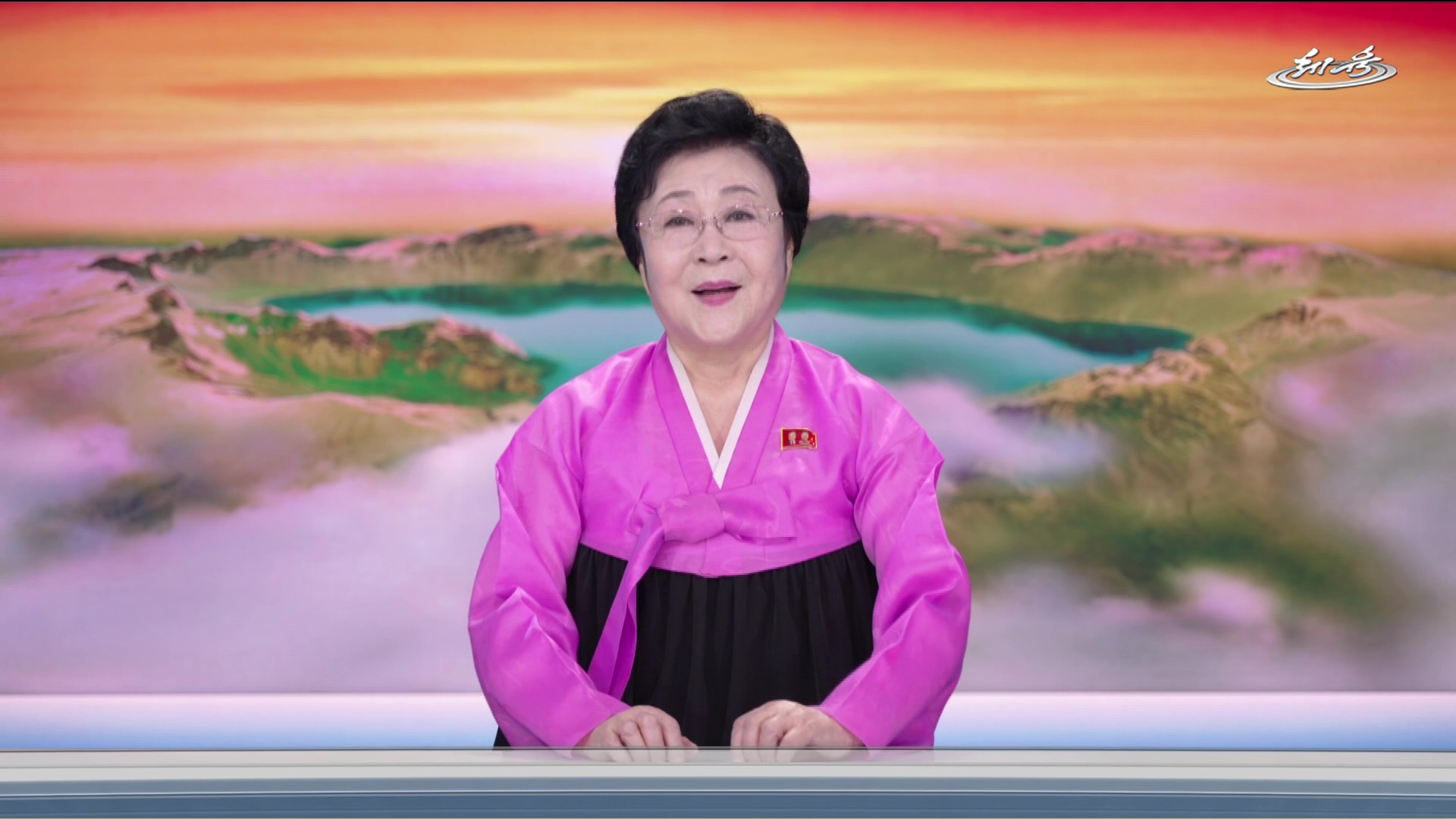
In North Korea, there is nothing more important than news about Kim Jong Un or the Kim family. Something about him or the family leads the evening news every single day. If it’s not a report on him going somewhere or attending a meeting, it’s a report on how people somewhere are remembering a previous visit on the anniversary of that visit.
Let’s take a look at the news in the last week:
- June 9: Kim Jong Un welcomes Xi Jinping on a visit to Pyongyang.
- June 8: Commemorating eight years since Kim Jong Un gave guidance on construction of the Taedonggang Seafood Restaurant.
- June 7: Kim Jong Un attended an event marking the 80th anniversary of the Korean Children’s Union.
- June 6: Kim Jong Un observes the navigation test of a new naval destroyer.
- June 5: Commemorating 13 years since Kim Jong Un gave guidance at the Songdowon International Youth Camp.
- June 4: Kim Jong Un visited a new nuclear materials production plant.
- June 3: Commemorating 10 years since Kim Jong Un gave guidance at the Pyongyang Sports Equipment Factory.
It’s a relentless formula that has been adhered to for years. Wherever he visits, a red plaque goes up over the door to mark the visit and quotes from his guidance are displayed indoors alongside photos. In the commemorative news segments, workers will recollect the visit and talk about his wise advice.
When North Korean TV broadcasts news about Kim’s activities (rather than the commemorative pieces), it precedes and ends the bulletin with a red screen for several seconds. It does the same before documentaries about the leadership. It also doesn’t broadcast the regular titles for the news bulletin. The report itself is a special program that isn’t part of the news.
On November 30, 2025, I was recording North Korean TV signals as part of my research. I wrote about that in December 2025. The top news of the day was Kim Jong Un’s visit to Wonsan Kalma Airport to mark the 80th founding anniversary of KPA Air Force.
The news was carried simultaneously across all three of North Korea’s TV stations that were on air at the time. A fourth station, the educational Ryongnamsan TV, wasn’t broadcasting that day. I’ve been able to combine those three signals with the KCTV satellite feeds.
Here’s what it looked like: