
This month, North Korean middle school students are learning languages from digital media players, a new method for distributing e-learning material and the evolving methods used by North Korean IT workers.
This column is now available as part of the new NK TechLab monthly newsletter on Substack. Subscribe for free (you don’t need a Substack account to do so)
Daily NK: North Korean middle schoolers flock to buy MP7 and MP8 learning devices as status symbols
Parents in Hamhung, one of North Korea’s largest cities, are buying digital media players as a cheap alternative to private tutors for their children, reports Daily NK.
Daily NK calls the devices “MP7” or “MP8,” which are names that don’t seem to exist anywhere else. The players are said to be imported from China, but a search of the Taobao marketplace doesn’t come up with anything. It’s likely they are marketing terms used to give the illusion of advances from MP3 and MP4 players.
Regardless of their marketing, the players cost between 700 and 1,000 yuan (US$97 to $138) and include audio and text foreign language study material for English, Chinese and other languages. Buying the players is cheaper in the long run than paying around $40 per month for a private tutor, according to Daily NK.
The devices do not appear to be state-sanctioned, so it’s possible they can also be used to view illicit media depending on their specifications. In fact, Daily NK says that some people suspect students are using the devices for just that purpose.
NK Economy: Kim Chak Institute of Technology implements educational content streaming service for mobile devices
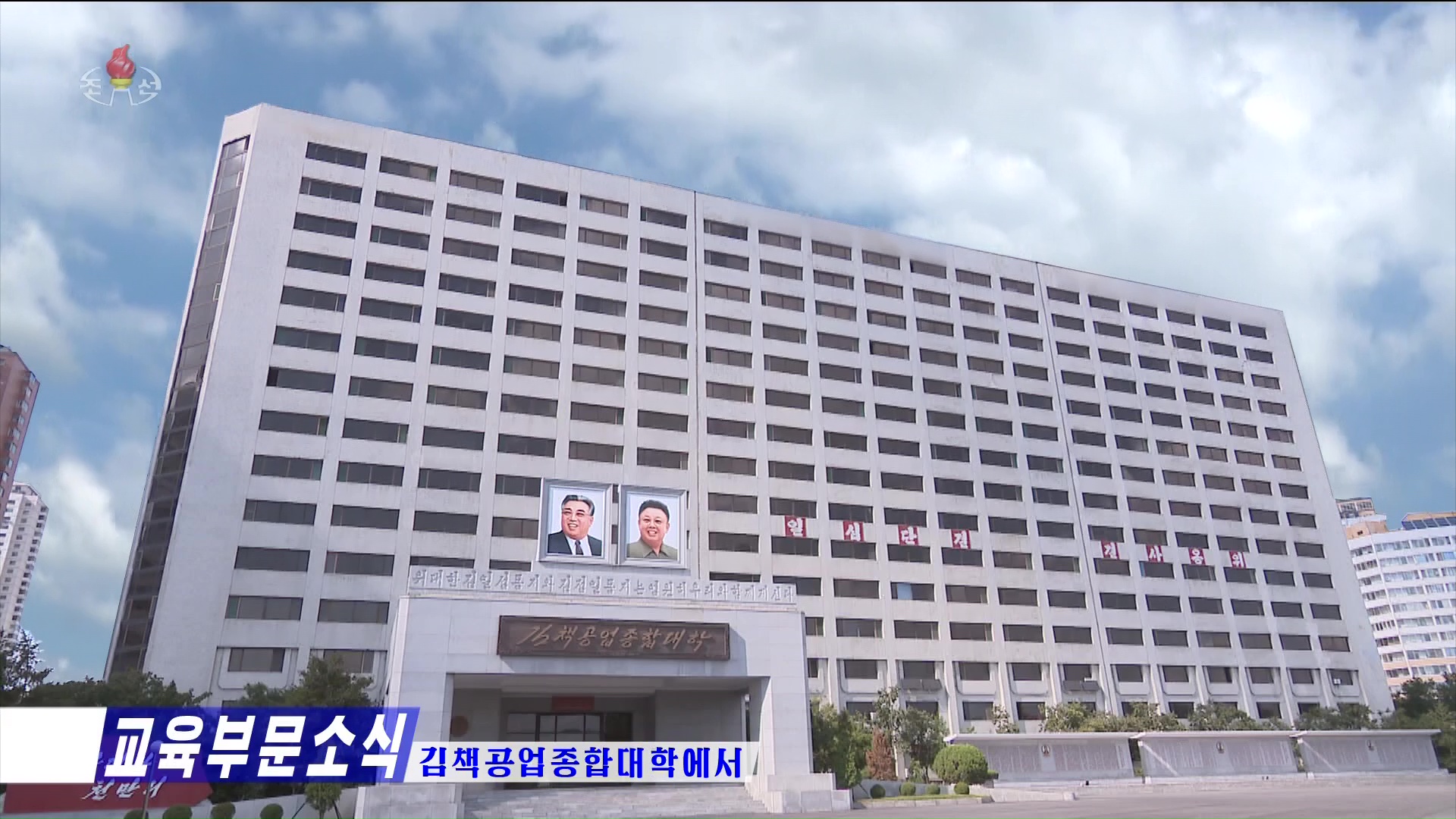
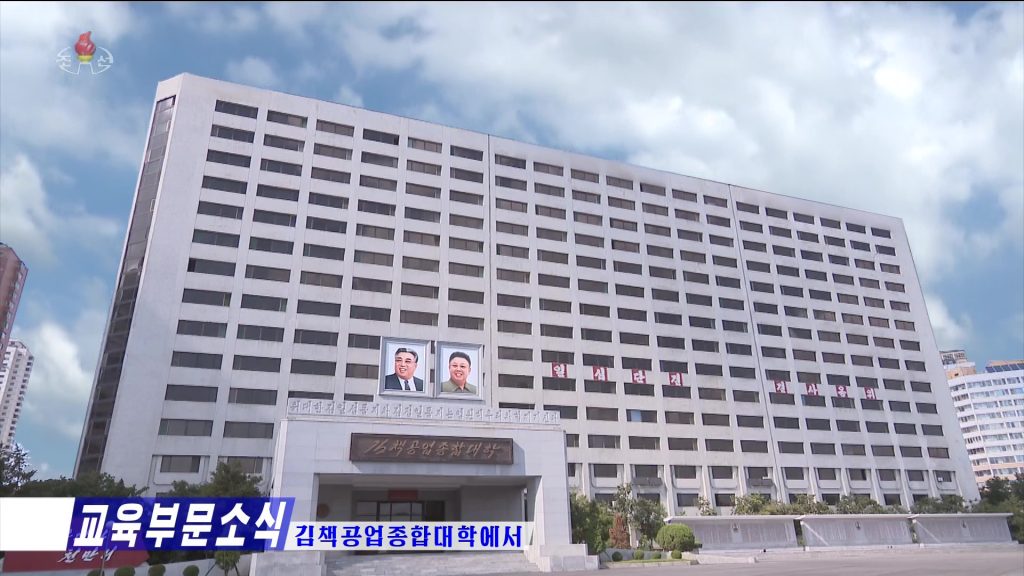
Kim Chaek University of Technology has proposed a streaming service that delivers educational content to mobile phones in smaller chunks to save on storage and data usage, according to NK Economy (in Korean). Kim Chaek one of the most important universities in North Korean and has a strong focus on technology.
The development was outlined on the university’s Internet website and uses a SCORM package. SCORM is a standard format for delivering e-learning content over the Internet.
What’s most interesting to me is what the development says about the issues faced by users and mobile network operators. Downloading files, especially video, can require significant storage capacity and bandwidth. Both are likely issues in North Korea, where the average age and specification of smartphones is lower than many developed nations, and a 4G network has only been deployed in the last couple of years.
BBC News: Amazon blocks 1,800 job applications from suspected North Korean agents
Amazon has detected and blocked more than 1,800 job applications from suspected North Koreans in the last nine months, according to BBC News. The report quotes Stephen Schmidt, Amazon’s chief security officer, who disclosed the information in a LinkedIn post.
“At Amazon, we’ve stopped more than 1,800 suspected DPRK operatives from joining since April 2024, and we’ve detected 27% more DPRK-affiliated applications quarter over quarter this year,” he wrote.
In the post, he outlined the growing sophistication of North Korean cyber operatives, who now steal the identities of actual software engineers rather than random people, hijack dormant LinkedIn accounts rather than make new ones, and increasingly use AI.
The post highlights how North Korean IT workers are changing and innovating their strategies as hiring and security departments at major companies become more attuned to the techniques they use to slip past verification.
Leave a Reply
You must be logged in to post a comment.