
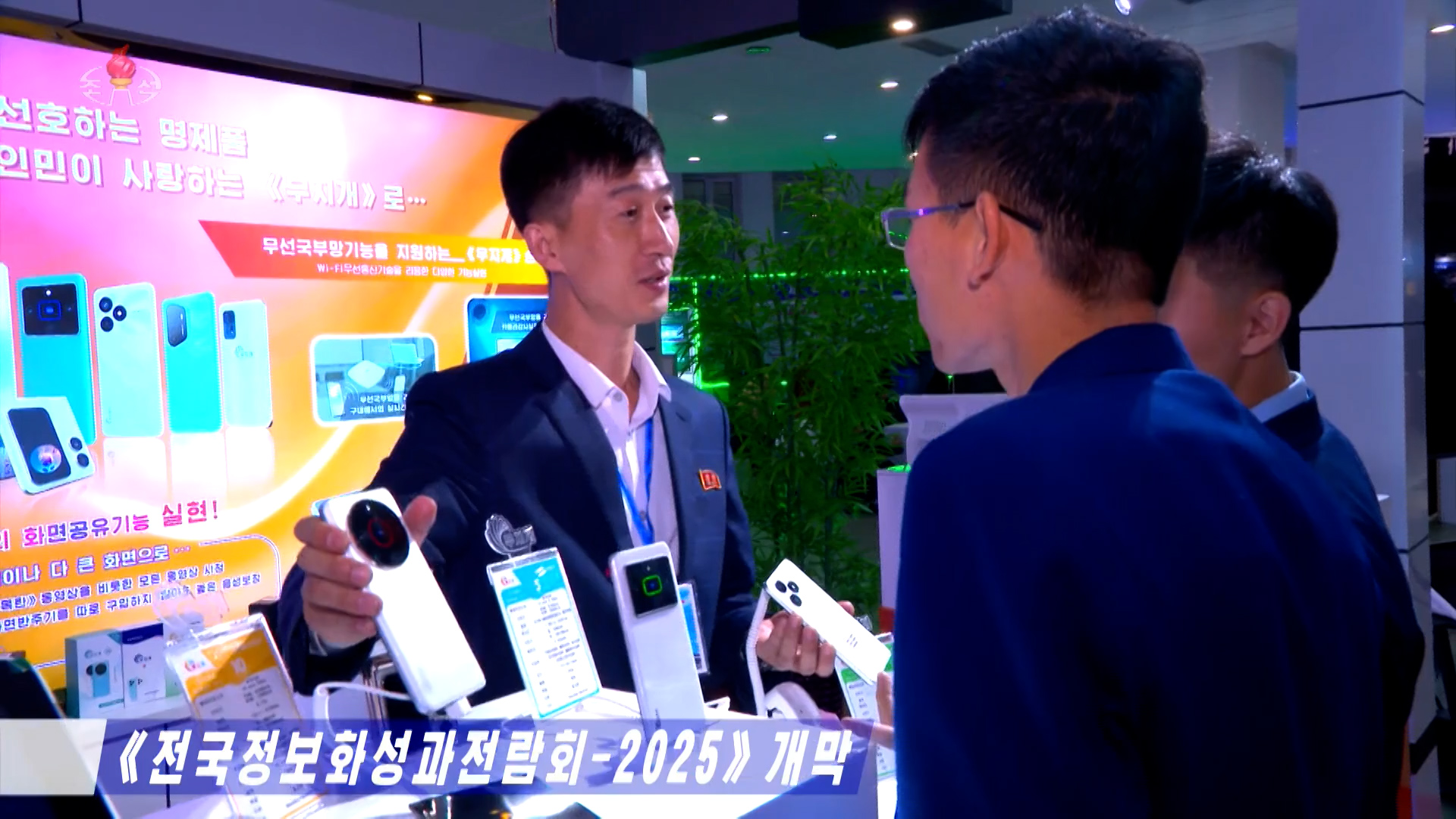
North Korea’s smartphone and cellphone market has expanded significantly in the last few years and at least 24 domestic brands now compete for market share. That’s an impressive number considering the population of around 26 million and a consumer goods sector that is not particularly commercial.
The proliferation of brands, which began around 2023, points to the North Korean regime’s growing acceptance of the digital economy, even moving some state services, such as medicine delivery and ration coupons, online. At the same time, this relatively hands-off approach to mobile telecommunications also demonstrates regime confidence that the state can maintain its grip on smartphones, so they are not used to undermine its control.
Details of 24 brands, the companies behind them and current smartphones are previewed here and included in “Smartphones of North Korea 2026,” which is being published today.
Smartphone Brands
For most of the first decade of the smartphone era in North Korea, there were only a handful of brands. Arirang and Pyongyang both appeared early in 2009 when smartphones first went on sale and were later joined by Phurunhanal and then Jindallae. Today, things are very different.
While those four brands are still available, a plethora of new names have entered the market. Most appear to be from North Korean trading companies, which are using their international connections to jump on what is evidently a hot market.
For example, Madusan has at least six handsets in its range including one of the few flip-type smartphones in North Korea, but the company does not appear to have any expertise in the electronics industry. It lists real estate, fishing operations and precious metals among its business areas and is also the developer of a proposal to build an international free trade zone in Sinuiju.

In some cases, established brands are marketing their own smartphones. This includes Manmulsang, which operates an online commerce platform, and Mokran, which offers thousands of videos on DVD and via streaming.
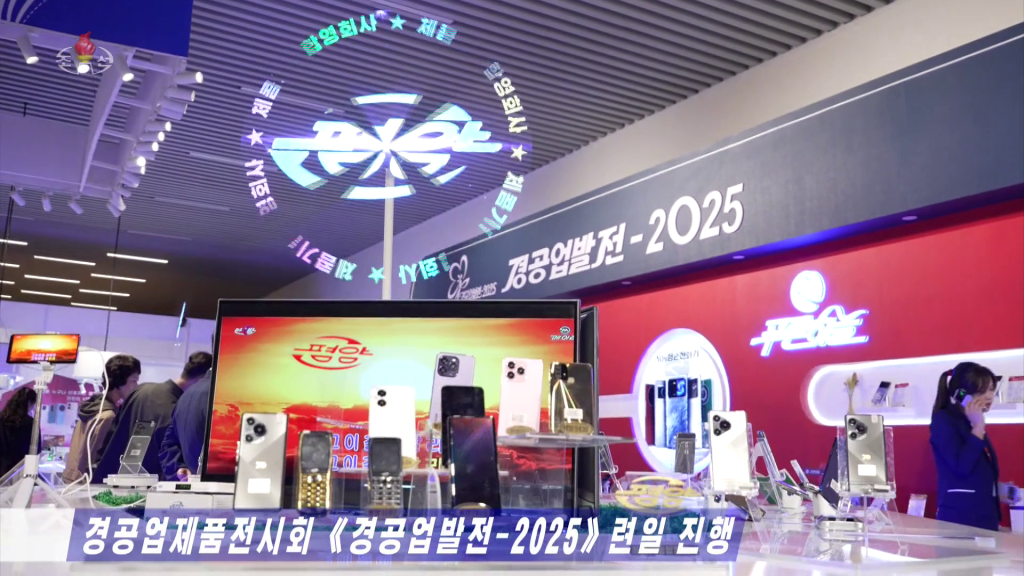
The size of the market was reflected in the large displays given to smartphone makers at a series of events, including the Light Industry Development Expo in October 2025, where multiple smartphone brands displayed their product ranges on large booths. Most of the handsets support 4G, which was launched in North Korea in October 2023.
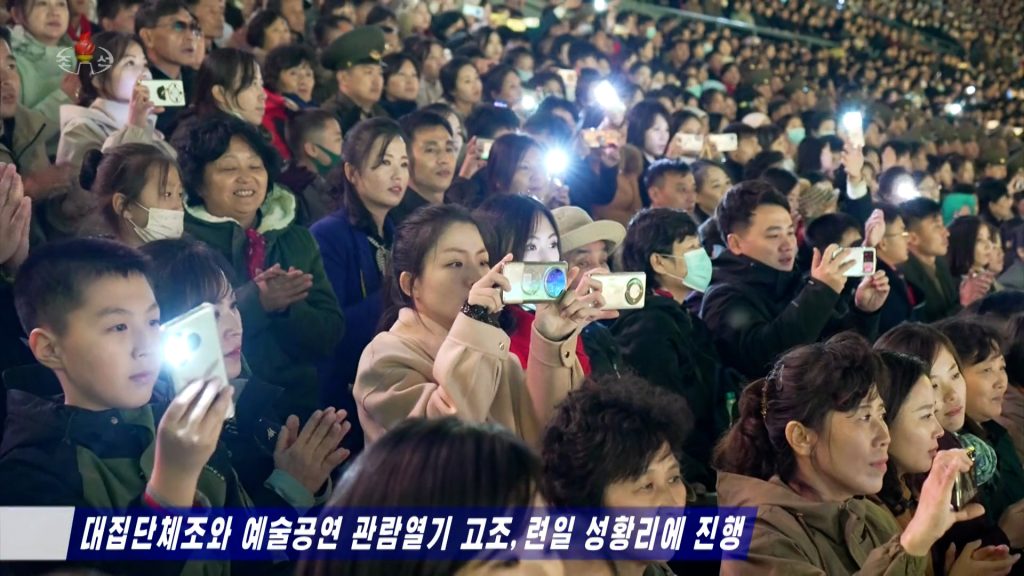
It is impossible to tell the popularity of respective brands because such data is not released, however, smartphones appear to be very popular. Citizens clutching phones are regularly seen in North Korean media.
Manufacturing and Software
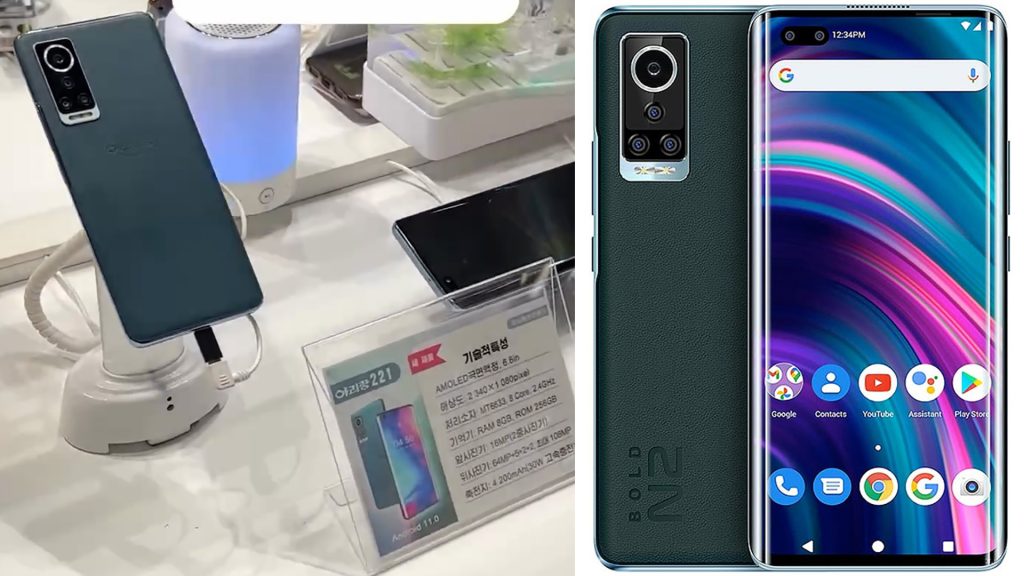
Of the handsets detailed in the report, all appear to have been produced by Chinese original equipment manufacturers (OEMs). Despite occasional claims that phones are produced in North Korea, it appears this is not the case.
The presumed production flow begins with the Chinese OEM maker. Once phones have been manufactured, they are shipped to North Korea where the operating system and apps are installed by each brand.
The operating system is a customized variant of Android and includes several security modifications. Key among these is a digital signature system that prevents the phone from accepting any apps or content that has not been digitally signed by the North Korean government.
This system is fundamental in maintaining government control of the smartphone eco-system and avoiding smartphones being used for consumption of unsanctioned media or the installation of unapproved apps.
The system is coupled with an app called Trace Viewer that takes screenshots while the phone is being used. Users can see the time and date each screenshot is taken and the app that was being used at the time, but they cannot view the screenshots or delete them. It is unclear how these screenshots are used by the authorities, but the presences of the app surely has a “big brother” effect that is intended to make users think twice before doing anything that could get them into trouble.
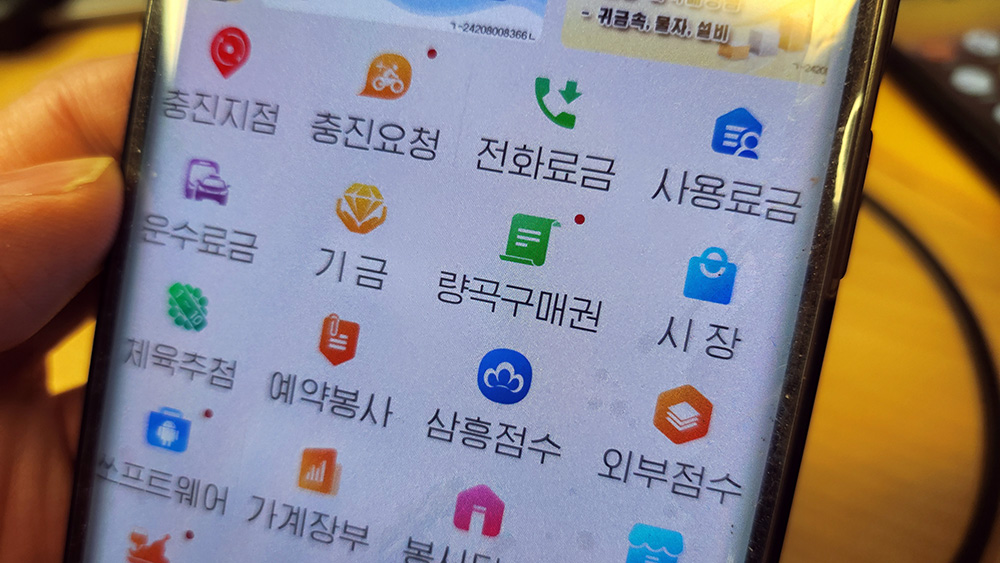
In addition to the system security software, phones are installed with a number of apps. The apps on each phone are different depending on the phone brand although some commonly appear across multiple phones, likely because they are popular. These include the apps for the Rodong Sinmun party daily newspaper, the Samhung E-Wallet electronic shopping app, and both Mokran Video and Manbang streaming apps.
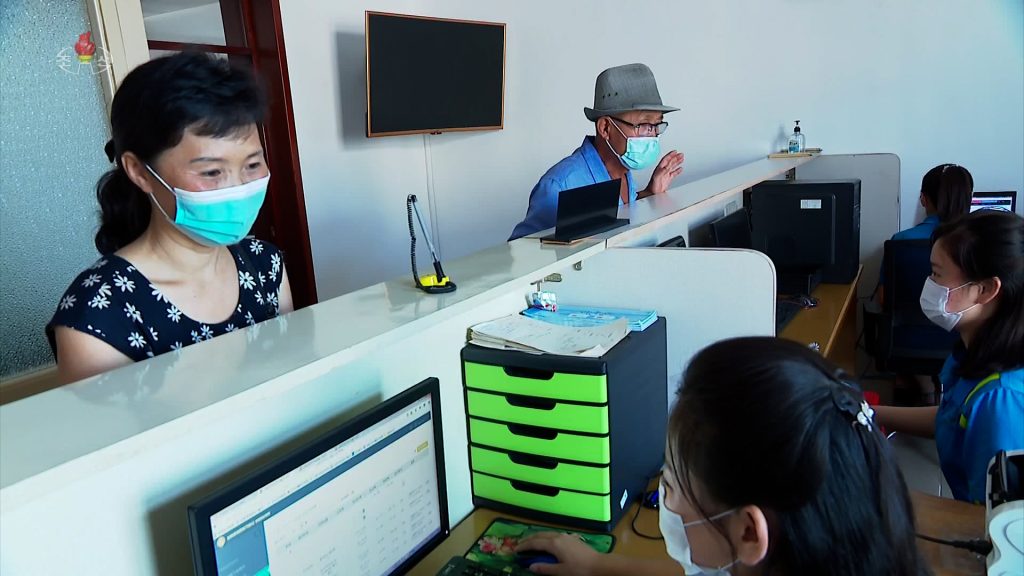
While some content and Android app files can be downloaded across the network, the North Korean mobile ecosystem appears to lack an app store-like function where updates can be pushed to phones. Instead, users must visit a network of hundreds of “IT Exchange Centers” that exist across the country where new apps and content can be transferred into phones.
Conclusion
North Korea has a lot to gain from advancing mobile telecommunications.
Importantly, mobile phones have provided the North Korean people with the ability to communicate with others, which can improve quality of life and can bring benefits for the economy. Penetration of landlines was never big in the country. The most recent data provided by the country said it had only 1.18 million landlines in 2007. Cellular service began a year later and there were already a reported 6.35 million mobile phone subscriptions in 2024, according to data from the International Telecommunications Union.
Mobile phones can also bring additional entertainment to people through games and video streaming, which is important as the state tries to stamp out consumption of illicit media smuggled from overseas. It’s much more difficult for users to bypass the security on phones, versus radios which can be adjusted to receive foreign content.
Some state services are also going online as well as such personal services as paying for public transportation, e-payments, and delivery services. The increased use of mobile phones to facilitate everyday activities gives the government another way to collect data, monitor behavior and surveil individuals.
Whether the market can support so many brands is unclear. Chinese OEM phone manufacturers surely have minimum order sizes and the stiff competition in North Korea could mean some trading companies struggle to make money. For citizens though, the competition likely helps keep prices down.
Over the next few years, it is likely the mobile ecosystem will continue to develop in North Korea while firmly remaining within boundaries set by the state.