
In the lives of North Koreans, there are few organizations as inescapable as the “inminban” (인민반), or neighborhood unit. It is the lowest unit of state authority and is used to maintain control and surveil the entire population.
Each inminban covers between 10 and 40 houses, according to estimates, and all residents are required to be members. A leader is chosen by the local people’s committee, and it is their job to keep a watch on everything that happens within the neighborhood.
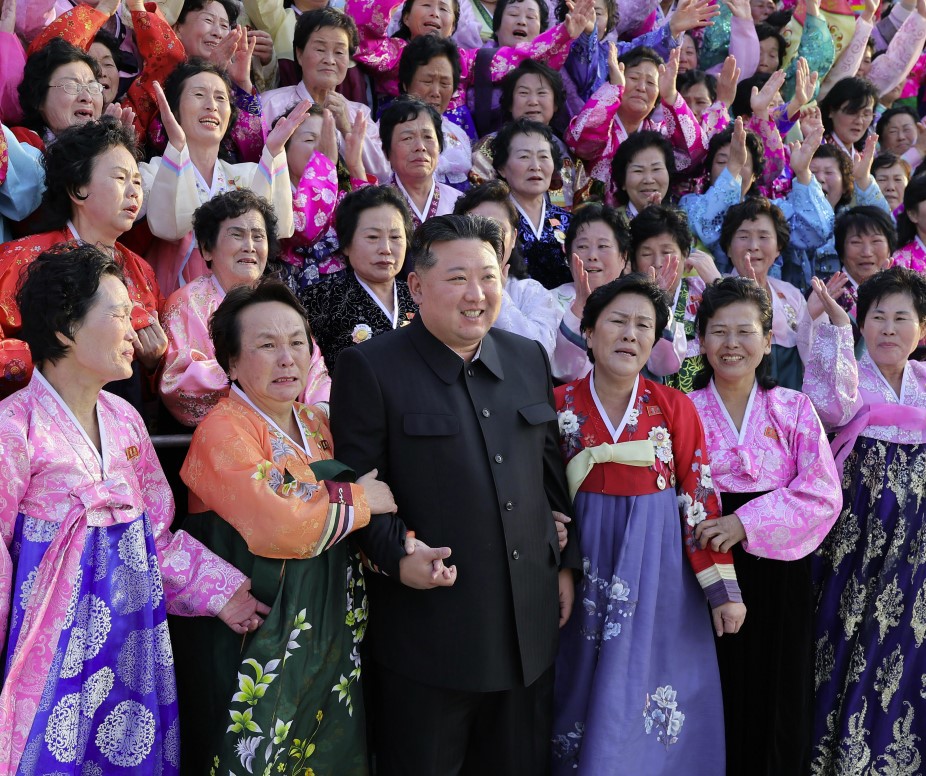
In a March 23 speech at the opening of the new Supreme People’s Assembly session, Kim Jong Un described the inminban as one of “the basic units of the State and social life and the bases for the inhabitants’ life” and its work as “promoting harmony among members … sprucing up the villages in a cultured and sanitary manner and preventing accidents, non-socialist practices and criminal acts.”
Non-socialist practices refer to things like using South Korean slang or humming a South Korean song. It also encomopasses watching foreign movies and TV shows or tuning into foreign radio broadcasts. The state began a large crackdown on this in 2020 with the passage of the Reactionary Ideology and Culture Rejection Law and in 2023 with the Pyongyang Cultural Language Protection Act.
Recently obtained detailed data on inminban in two Pyongyang districts illustrates just how pervasive North Korean surveillance is. It underscores the risks North Koreans take when watching South Korean content or listening to overseas radio broadcasts even within their own homes.
Close to Home (Maybe Even in Your Building)
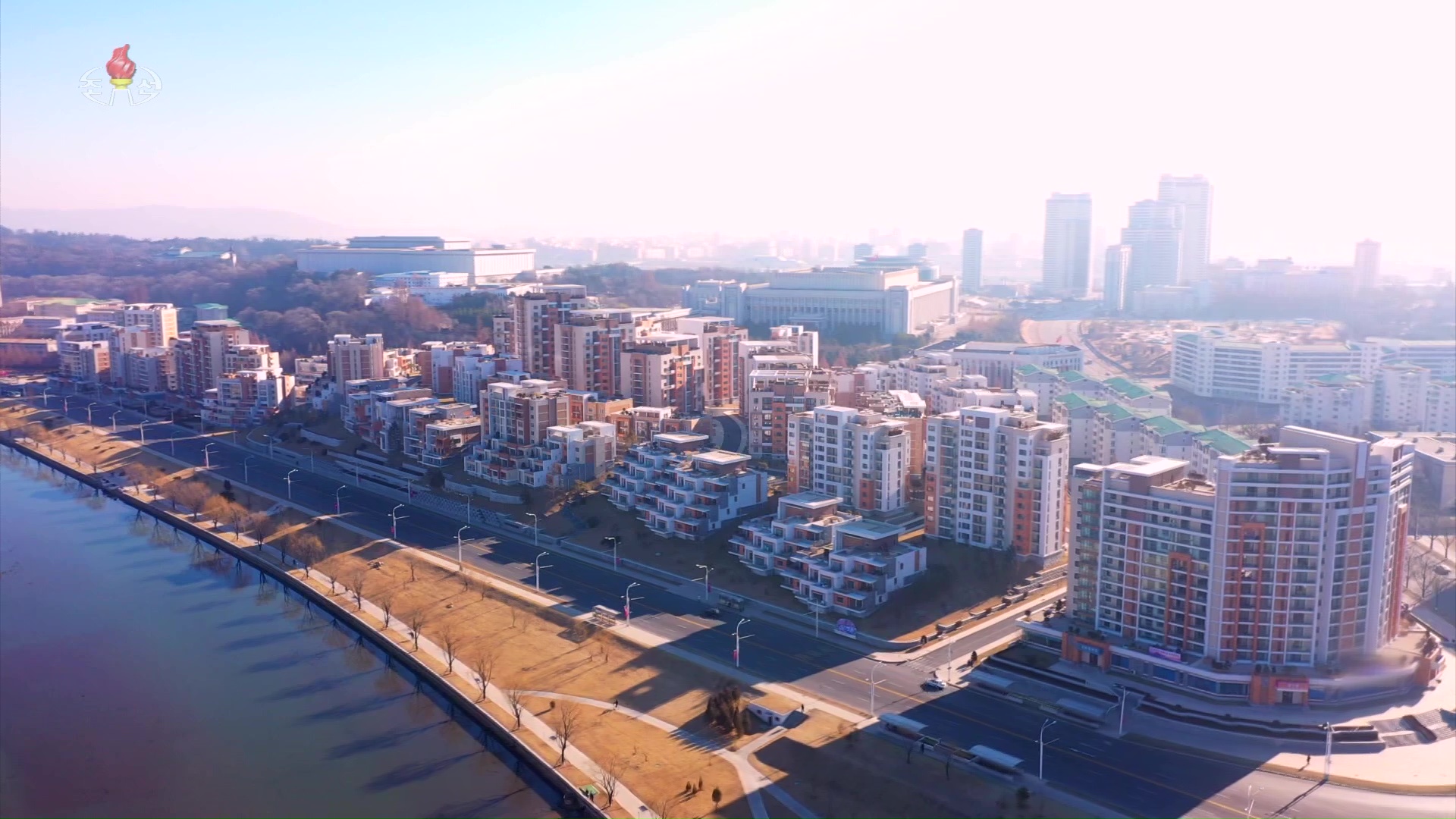
Kinmaul-1 dong (긴마을1동) in Moranbong District is just south of the April 25 House of Culture. Many of the in this area are low rise apartment buildings. In this 0.15km2 square area alone there are 82 inminban units. In many cases, there are multiple inminban in each building.
One of the hallmarks of the North Korean system is the surveillance of everyone below Kim Jong Un. No matter how high your political or economic stature in the country, you are always under suspicion.
The new district of Kyongru-dong (경루동) in the heart of Pyongyang is home to some of the most elite members of North Korean society including the celebrated newsreader Ri Chun Hee.
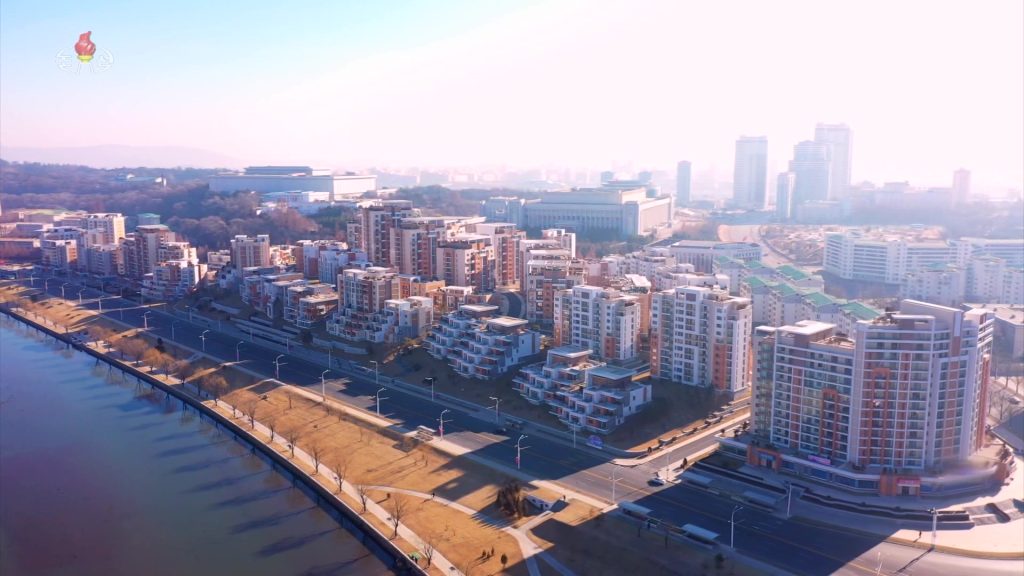
It is marking its fourth anniversary of opening this week and its position adjacent to the Supreme People’s Assembly makes it one of the most exclusive addresses in the city, but even there, the inminban is pervasive.
Across the 44 low-rise apartment buildings, there are 27 inminban units. Inminban here apparently oversee several buildings, which is probably an indication of the relatively low density of the district.
Doubling Down, Not Phasing Out
This system of human surveillance appears to be incredibly effective, but it is not perfect.
Some escapees have spoken of how their inminban leader could be bribed to look the other way; one escapee told me their local leader was just as enthusiastic about South Korean dramas as they were and would sometimes watch them together.
In spite or because of such problems, Kim Jong Un said last week that he wants the inminban system adjusted and strengthened. He told state organs they need to “improve the work of the units and put to rights the defective problems.”
What those problems are is unclear, although Kim hinted at some administrative or structural problems when he said, “it is needed to avoid deviation in correctly defining the size of neighbourhood units and the standard for election of their heads.”
All of this comes as North Korean society, especially in Pyongyang, is adopting modern technology such as smartphones, electronic payments and CCTV. These all increase the ability of the state to digitally track citizens, but it does not appear that the state is looking to replace the inminban system. Human surveillance will remain at the core of North Korea’s social and ideological monitoring strategies.