

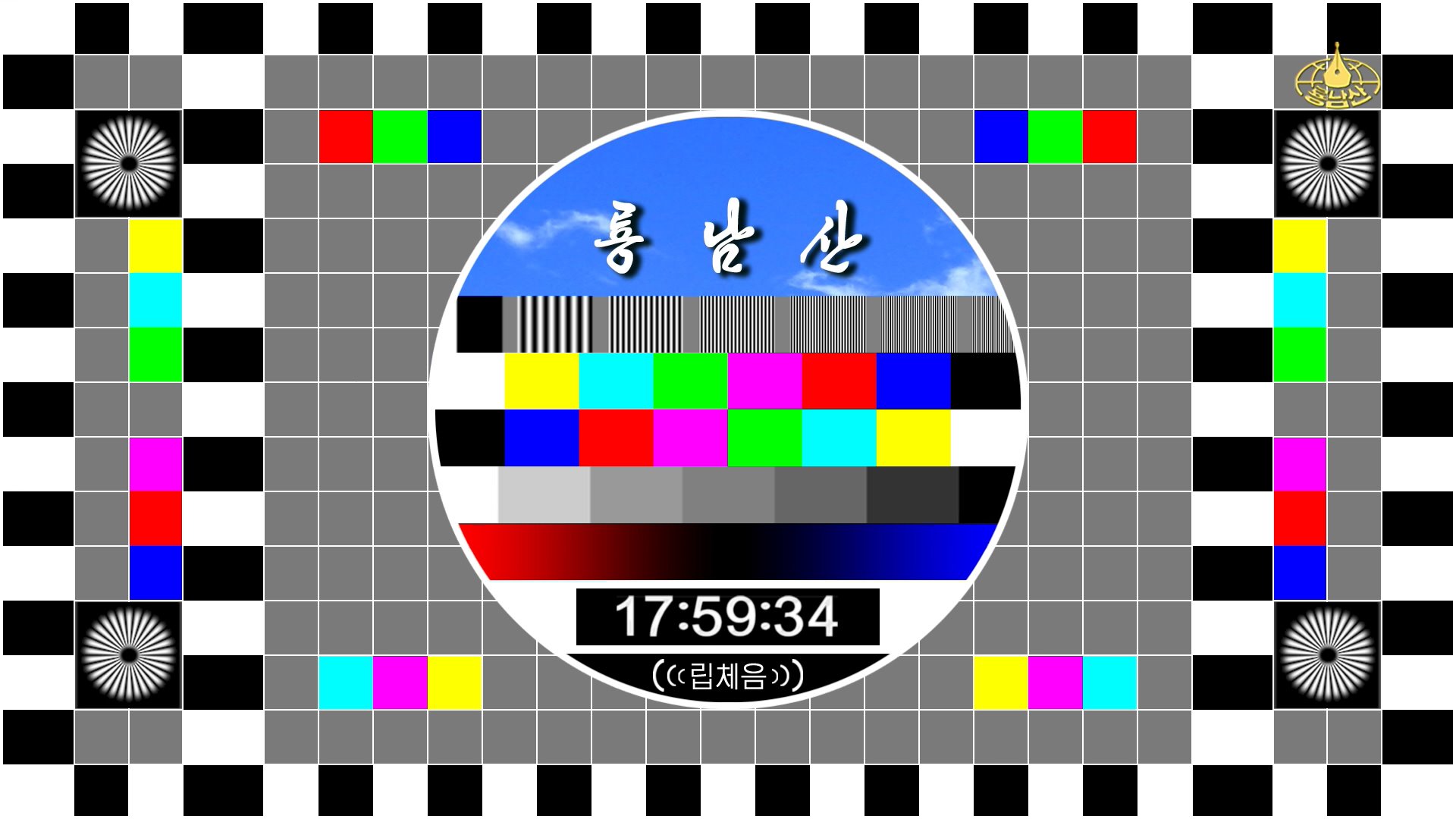
Among the many sources used to analyze North Korea is Korean Central Television (KCTV), the main, state-run television channel. KCTV carries coverage of Kim Jong Un’s activities and key announcements and decisions from the Workers’ Party, provides updates on priority economic initiatives, and airs historical documentaries and cultural fare such as movies, children’s programming and education.
It is an important tool in understanding North Korea today, but it doesn’t provide the whole picture of what North Koreans see on television and what they learn about the world. The country has three other state-run TV channels that, while not as important for political analysis, offer a broader range of programming and create an opportunity to enhance our cultural understanding.
Until a decade ago, most homes across the country received only KCTV, which was on air from 17:00 to around 22:00. Two additional channels were available to solely Pyongyang audiences. However, beginning around 2016, KCTV began broadcasting earlier (first to 15:00 and then to the current 09:00) and the country began building a four-channel digital TV network that now appears to cover most of the country.
Certainly, all the channels are state run and subject to overview by the Propaganda and Agitation Department, meaning the programming still follows Workers’ Party guidelines and includes a good dose of ideological content. But the three additional channels offer programming that is lighter and less propaganda heavy. Moreover, unlike KCTV, the three additional channels are not available via satellite, so are rarely seen outside of the country.
I recently spent a weekend in South Korea near the northern border and was able to receive these channels. While three days of programming wasn’t enough to come up with any serious conclusions, my glimpse at the programming revealed a more diverse range of content than appears on KCTV, including several foreign films and TV series. It was a helpful reminder to myself that there are many facets of North Korean society we don’t have access to that paint a more nuanced image of daily life.
The following is a brief overview of the three additional channels and a taste of the content I was able to watch.
The Channels
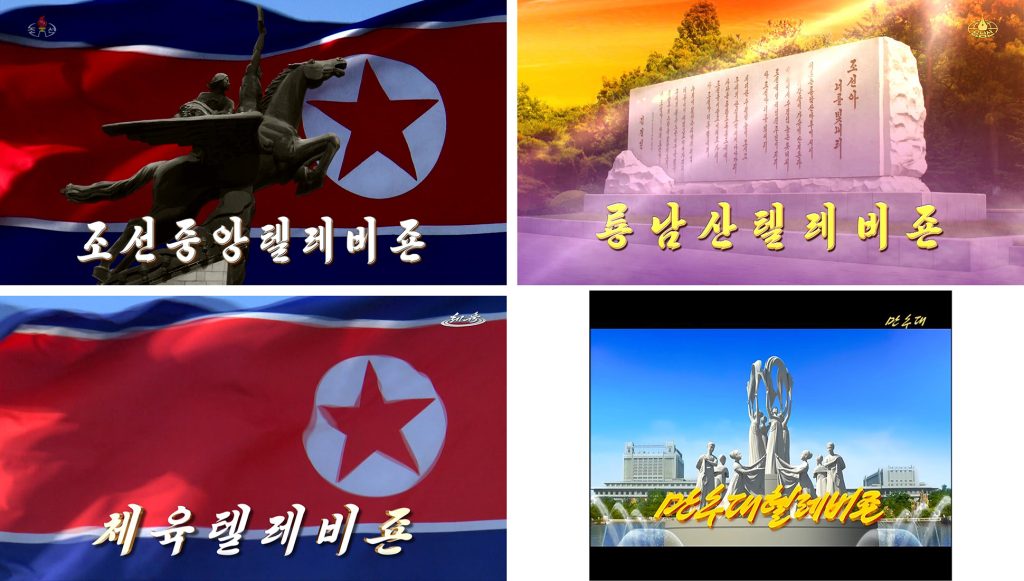
Mansusdae TV (만수대텔레비죤) is the oldest of the three additional channels. It’s been available in Pyongyang since December 4, 1983, and from launch has carried cultural programming, foreign films and international news. It originally began broadcasting only on Sundays but is now also on air on Friday and Saturday as well. 1
The station signs on Friday and Saturday at 19:00 and broadcasts until 22:00. On Sundays its programming is split into two blocks, one from 10:00 to around 13:00 and the second from 16:00 to around 22:00. It is the only one of the channels to still broadcast in standard definition.
Sport TV (체육 텔레비죤) is the newest channel in North Korea, having been launched on August 15, 2015. At launch it offered three hours of sports-related programming each weekend night but that has now been expanded to four hours. Sport TV begins broadcasting at 18:00 on weekend evenings and closes at around 22:00. It is available in high definition.
Ryongnamsan TV (룡남산텔레비죤) was launched on September 5, 2012, to replace the Korea Educational and Culture TV (조선교육문화텔레비죤) channel that had been on the air in Pyongyang since 1997 (and even earlier since 1971 as Kaesong TV). It is available each weeknight from 18:00 to 22:00 and is broadcast in high definition.
Taken together, this means North Korean homes have access to two channels from Monday through Thursday (KCTV and Ryongnamsan TV), three on Friday (KCTV, Ryongnamsan TV and Mansudae TV), and three on Saturday and Sunday (KCTV, Mansudae TV and Sport TV).
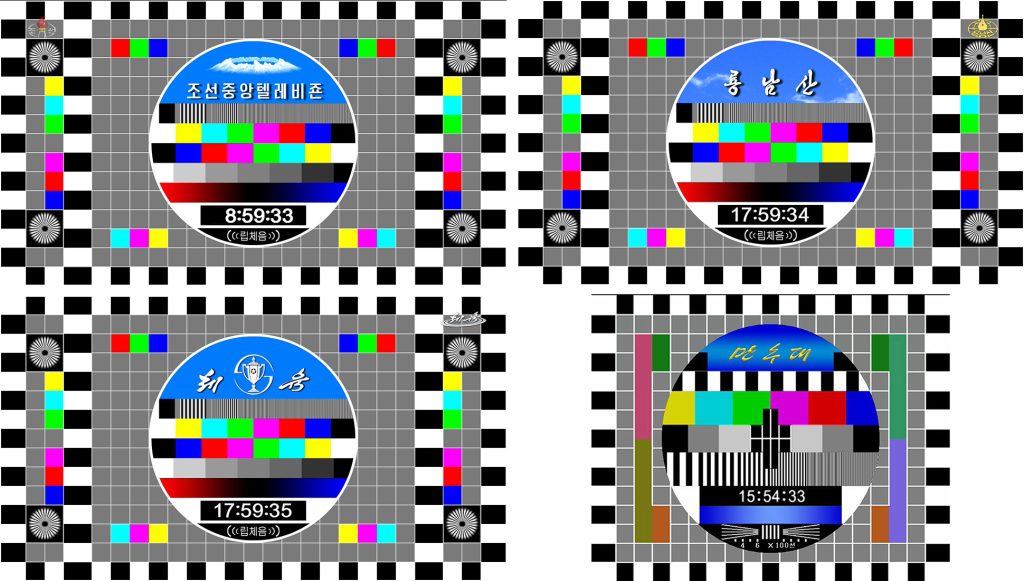
Mansudae Television
From an outside view, Mansudae TV is perhaps the most interesting of the three channels as it carries a larger proportion of foreign entertainment than the others. KCTV rarely carries foreign content beyond sports, so an observer might get the impression North Korean TV is devoid of such programming. However, based on the sample I watched, foreign programming is much more common on the three additional channels.
On Saturday, November 29, Mansudae TV began with a European Champions League football match between Liverpool and Real Madrid. European football is regularly broadcast on KCTV in the afternoon, but this match does not appear to have been televised on that channel so it wasn’t a rerun. It was followed by the 2021 Russian movie “Лётчик” (The Pilot: A Battle for Survival).
Sunday morning programming included the 2016 Indian movie, “Pulimurugan,” and the highlight of the afternoon was the Disney/Pixar movie “Ratatouille,” dubbed into Korean.
Very little US content is available officially in North Korea but Disney and Pixar movies are the exception as their storylines are usually tame and have little objectionable material. Several are available on DVD in the country, but such movies are never shown on KCTV. 2

The day finished off with episodes 19 and 20 of the 2015 Chinese TV drama “于无声处” (In the Silence). Like the other foreign broadcasts, the program was dubbed into Korean.
Between the foreign fare, Mansudae TV broadcast the kind of small feature programs on nature, science and technology and general knowledge that make up a portion of the KCTV daily schedule. These filler programs are common across all channels and often have an educational message and sometimes an underlying propaganda message as well.
Sport Television
Sport TV’s programming was notable for coverage of sports not seen on KCTV.
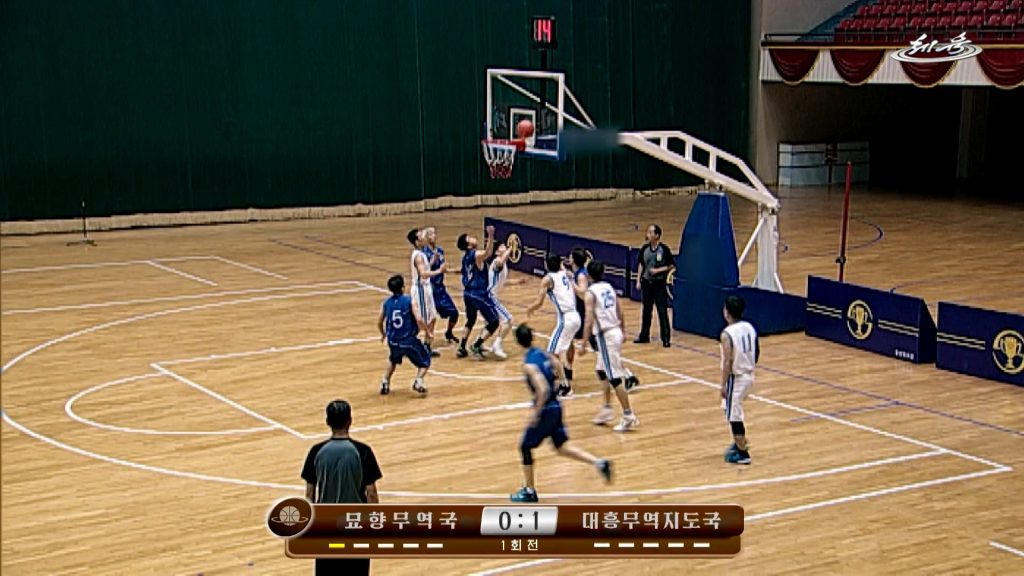
On Saturday evening, after a couple of sports-related propaganda features, the channel broadcast the third in a series of compilation programs of 2025’s top domestic sporting moments. This is notable as KCTV has an afternoon sports block most days, but this is never filled with domestic coverage. It seems that North Korean TV is covering domestic competition, but its broadcast is limited to Sport TV. On Saturday, November 29, the coverage included a basketball match between Myohyang Trade Bureau (묘향무역국) and Taehyung Trade Guidance Bureau (대흥무역지도국) and a domestic swimming contest.
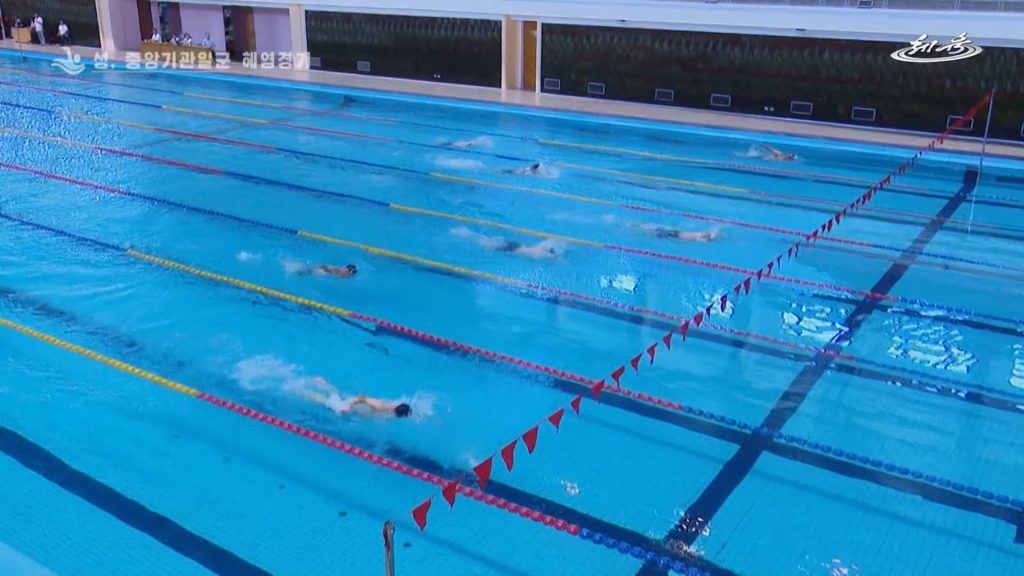
The main attraction for Saturday evening was a repeat of the Women’s Under 17 World Cup football match between North Korean and El Salvador. The match was played on November 5 and North Korea won 5-0. It was an early victory on their way to becoming world champions. KCTV showed four later-stage matches, but this one had not been broadcast there before.
Over the weekend, Sport TV also aired coverage of the Men’s Water Polo Final from the 2025 World Aquatics Championships, which took place in July, a match from the World Table Tennis Championships in May and a game from the FIBA Women’s Asia Cup basketball tournament in August.
Ryongnamsan Television
The schedule of the educational channel, Ryongnamsan TV, is full of short features on a diverse range of subjects. Many programs run around 5 to 10 minutes each. Some are based on video sourced from overseas but most appears to be domestically produced.
On Monday, December 1, evening programming included programs on sweet potato cultivation, how to make a wind turbine, how to calculate area, and efficient marine transport methods.
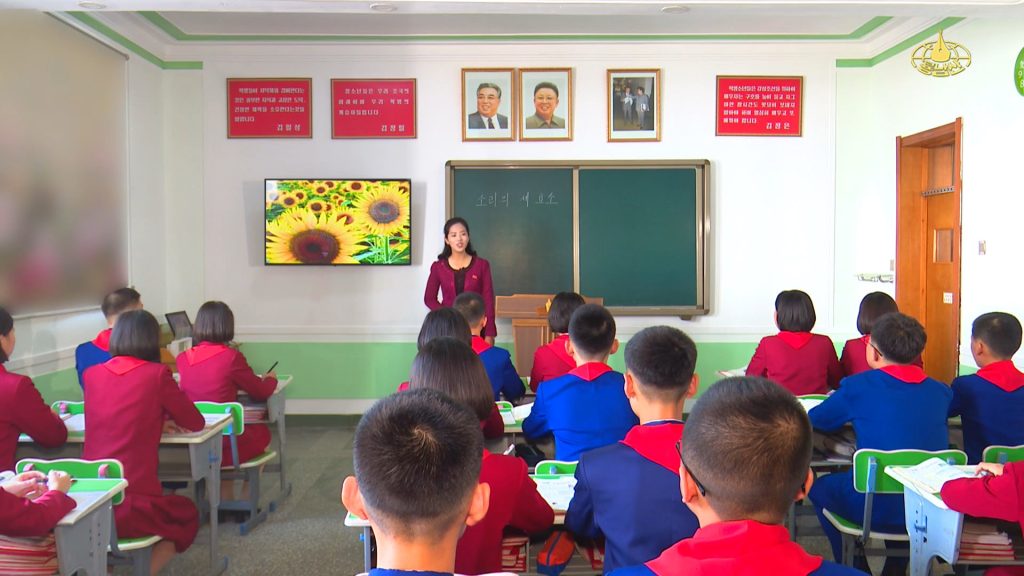
One physics feature on the properties of sound waves was presented by a domestic educator. The program “소리의 세요소” (The Three Elements of Sound) was taught by Hang Song Hui, a teacher from Inhung Junior Middle School, in Pyongyang’s Moranbong District.
The channel also includes foreign language learning programs. On Monday, three episodes of the “외국어학습시간” (Foreign Language Study) program were broadcast. Two focused on English and one on Chinese.
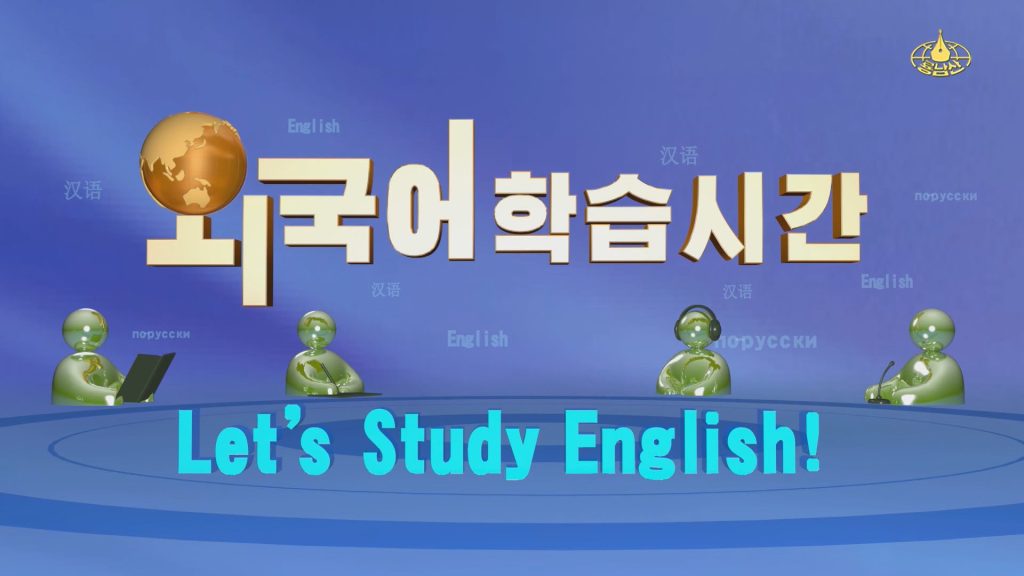
The first of the English features was based around the Disney movie “Luca.” A five-minute clip from the movie was broadcast in the original English with no subtitles, then several phrases from the clip were explained, and then it was shown again with English subtitles.

The second English study program used clips from a Discovery Channel series called “100 Greatest Discoveries” and covered medicine. Following that, several minutes from a Chinese nature series were broadcast and the format remained the same, with words explained and subtitles added for a second airing.
While programming from December 2 was not watched, a program guide for the day broadcast at the end of December 1 showed foreign language study programs would be aired for Russian and German. The Russian study was based around a program called The Deep Ocean and the German one the animated movie “Ballerina.”
The News
The 8pm evening news on KCTV is the most important program of the day on North Korean television. It’s used to make major announcements and detail party initiatives, and is the first place Kim Jong Un’s activities are usually seen.
Both Ryongnamsan and Sport TV simulcast the bulletin but it appears Mansudae TV only carries it on Sunday evenings.
In the two days of Mansudae that I watched, the TV schedule only called for the news to be broadcast on Sunday. This is likely due to the channel’s relatively late start time of 19:00 and its movie and feature-heavy schedule. By the time the first program begins airing on Friday and Saturday evenings, at around 19:10, there isn’t enough time to run a movie without bumping into the evening news. On Sunday evenings, broadcasts begin at 16:00 making it much easier to schedule the bulletin.
On November 30, the evening news was preempted with a special report on Kim Jong Un’s attendance at a ceremony to mark the 80th anniversary of the KPA Air Force.
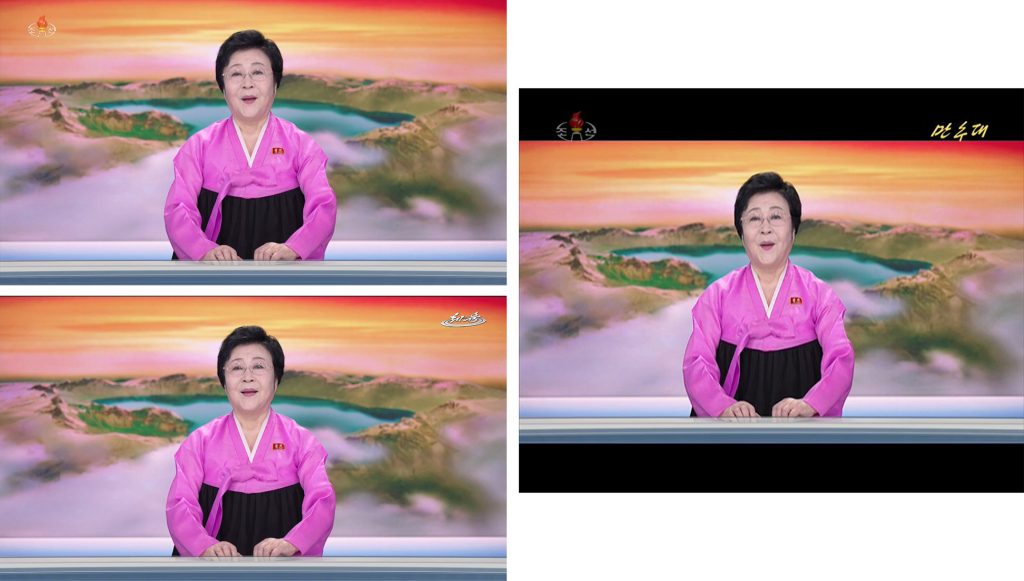
Mansudae TV also carries a 30-minute summary of world news from the week just before the main news on Sunday evenings.
Conclusion
Without a much larger sample, its difficult to come up with any major conclusions but the access should remind analysts and observers that the North Korean media landscape is broader than the access offered overseas.
- North Korea’s Terrestrial Digital Broadcasting Status as of June 2025, Sungho Jeon, Byung-Ho Lee, and Jae Hyun Seob, Journal of Broadcast Engineering, July 2025 ↩︎
- Mokran Video Catalog, February, 2024 ↩︎
Leave a Reply
You must be logged in to post a comment.